• Home
  • The Bird with the Flaming Red Feet
  • Rare Bird: Marbled Murrelet
  • A Sideways Look at Clouds
  • Author
  • Events
  • Blog
  • Contact
Menu

Maria Mudd Ruth

Street Address
City, State, Zip
Phone Number
author and naturalist
Homepage-Banner.jpg

Maria Mudd Ruth

  • Home
  • Books
    • The Bird with the Flaming Red Feet
    • Rare Bird: Marbled Murrelet
    • A Sideways Look at Clouds
  • Author
  • Events
  • Blog
  • Contact

Pushing Up the Sky

January 8, 2018 Maria Mudd Ruth
Illustration by Robert Bruce Inverarity  (1909–1999), Washington State Director of the Federal Arts Project from 1936 to 1939 and the Washington Arts Project from 1939 to 1941

Illustration by Robert Bruce Inverarity  (1909–1999), Washington State Director of the Federal Arts Project from 1936 to 1939 and the Washington Arts Project from 1939 to 1941

I first encountered this charming woodcut eight years ago in Ella E. Clark's book, Indian Legends of the Pacific Northwest as I began my research for A Sideways Look at Clouds. I wrote about it in this 2010 blog but did not include this illustration or the Snohomish creation story behind it in my book. There were just too many wonderful local tribal stories about the sky and clouds to do justice to them in my book. 

In a nutshell, the story (sourced by Clark to a book written by Chief William Shelton in 1935) describes the work of several Puget Sound tribes to lift the sky--a sky so low that they bumped their heads on it. Using poles crafted from the giant fir trees and while shouting  "Ya-hoh!" (meaning "lift together") the men of the tribes managed to push the sky up to where it is now. Chief Shelton noted that in his day, the Snohomish still shouted "Ya-hoh" when doing hard work together.

On mid-winter days like today, when the the sky (aka the clouds, the thick altostratus clouds) seem a bit oppressive, I think of this story--not because I'd like the clouds to shove off, but because of the hard work required of us to keep the planet whole, to protect our natural resources, and environmental protections for wildlife and wild places.

The Indian Legends of the Pacific Northwest was first published in 1953 with a 50th anniversary edition issued in 2003 by the University of California Press. Last year, a volunteer for South Sound Climate Reality Leaders, handed me a flier outside the Capital Mall movie theater where I had just watched An Inconvenient Sequel: Truth to Power (Al Gore's follow up to An Inconvenient Truth). The flier featured a simple illustration--clearly adapted from Inverary's Ya-hohing sky pushers. Only there was only one person using a pole--the rest were pushing the clouds with their hands. And one of the four figures was a woman. And, there was no story to explain the illustration. There was a poem--"heiroglyphic stairway" from A Love Letter to the Milkyway by Drew Dellinger.

20180108_171443.jpg

Ya-hoh!  Ya-hoh! Ya-hoh!

Comment

Sideways Plus #4 +MASS+

January 4, 2018 Maria Mudd Ruth
How can a cloud weigh as much as an elephant? Or hundreds of elephants? 

How can a cloud weigh as much as an elephant? Or hundreds of elephants? 

Oh, dear. It's been nearly two months since my last blog posting. What can I say but...wait for it...the  clouds got in my way. 

The last quarter of 2017 was a busy one ushering my new book, A Sideways Look at Clouds, into the world of readers, skywatchers, cloud lovers, and hunched-over texting addicts. I hope those of you who bought my book (thank you!) are enjoying it, looking up more, and are appreciating the sky and clouds in new ways.

As you may recall, I am posting an excerpt and supplemental content for each chapter of my book you to enjoy. In case you missed them, here are the links to the first three: Prologue /Cloud /Visible 

Recall that each chapter of my book covers one term in the definition of a cloud: a visible mass of water droplets or ice crystals suspended in the atmosphere above the earth. This fourth posting covers the chapter on mass--not Pacific Northwest weather guru Cliff Mass, but the mass that is a cloud. 

"Though 'mass' has many meanings, the best fit for a cloud comes from the Oxford English Dictionary: 'a dense aggregation of objects having the appearance of a single, continuous body.'
The 'objects' in a cloud are primarily water molecules, billions of them, aggregated into liquid droplets and ice crystals, billions upon billions of them, further aggregated into a single cloud or cloud formation.
The density of this aggregation varies with the type of cloud at atmospheric conditions in which they form. According to one estimated, a typical Cumulus cloud contains about four-thousandths of an ounce of water per cubic yard. This is about a marble's worth of water in a space the side of a loveseat. A typical small Cumulus cloud contains over a million pounds of water--a weight equivalent to roughly one hundred elephants."
from A Sideways Look at Clouds

One of the most fascinating and troublesome problems I encountered understanding "mass" was understanding how so much water could float. Water--the most amazing molecule in the universe--has a trick: as water vapor condenses to liquid water, it releases a tiny bit of energy, known as "latent heat," which gives it the boost it needs to rise above the surrounding cooler air.

My other big problem was visualizing how the mass that is a cloud becomes visible. Part of my problem was imagining the  invisible water vapor in our atmosphere and the invisible process of convection that is largely responsible for many of our favorite clouds (cumulus, for instance). 

Convection is the process by which warmer air (at the surface of the earth) rises into the cooler air. Many science text books feature diagrams like this one, which relies on arrows to "explain" what is happening.

Screen Shot 2018-01-04 at 12.49.27 PM.png

Convection is the process by which warmer air (at the surface of the earth) rises into the cooler air. Many science text books feature diagrams like this one, which relies on arrows to "explain" what is happening.

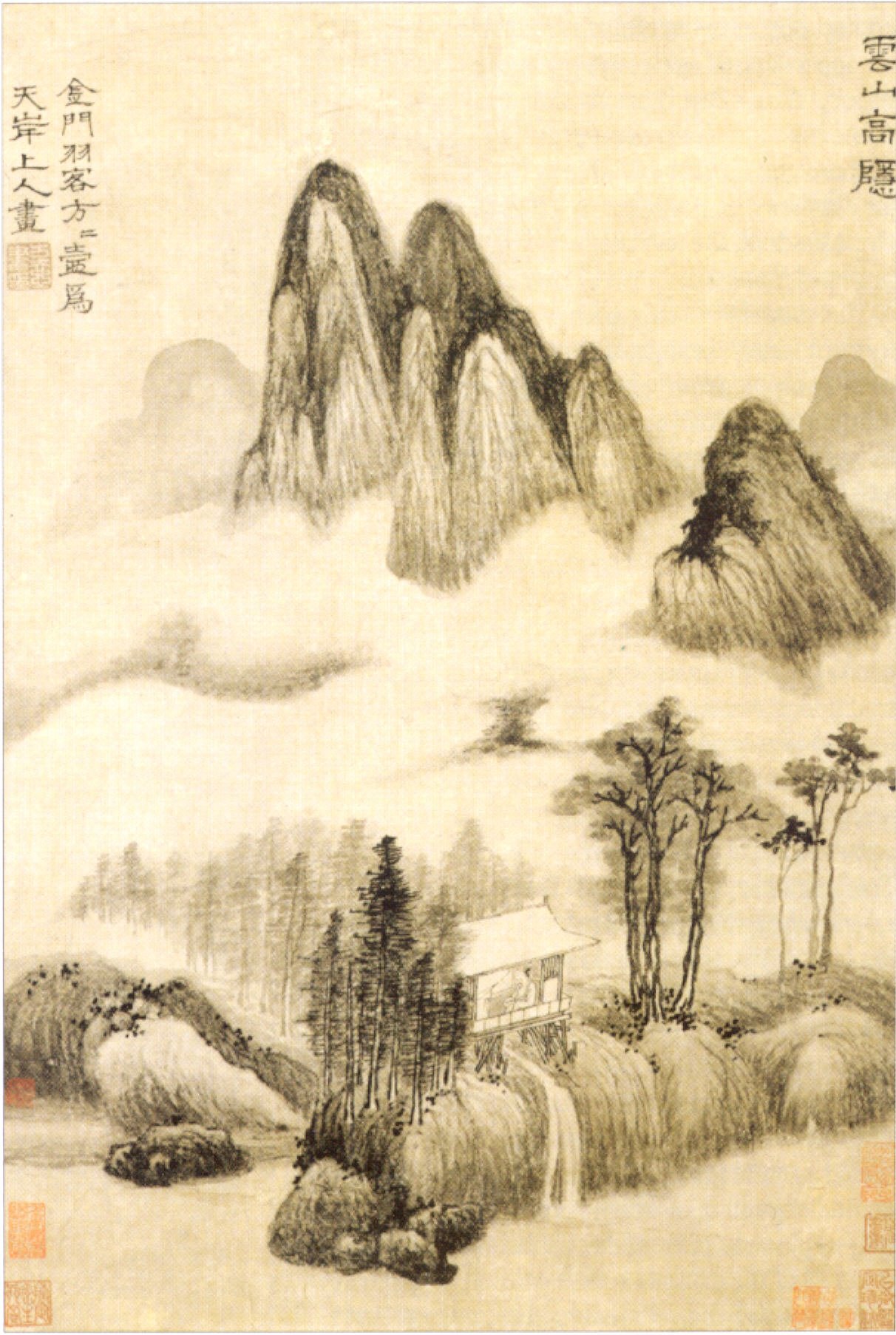
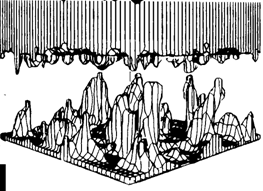
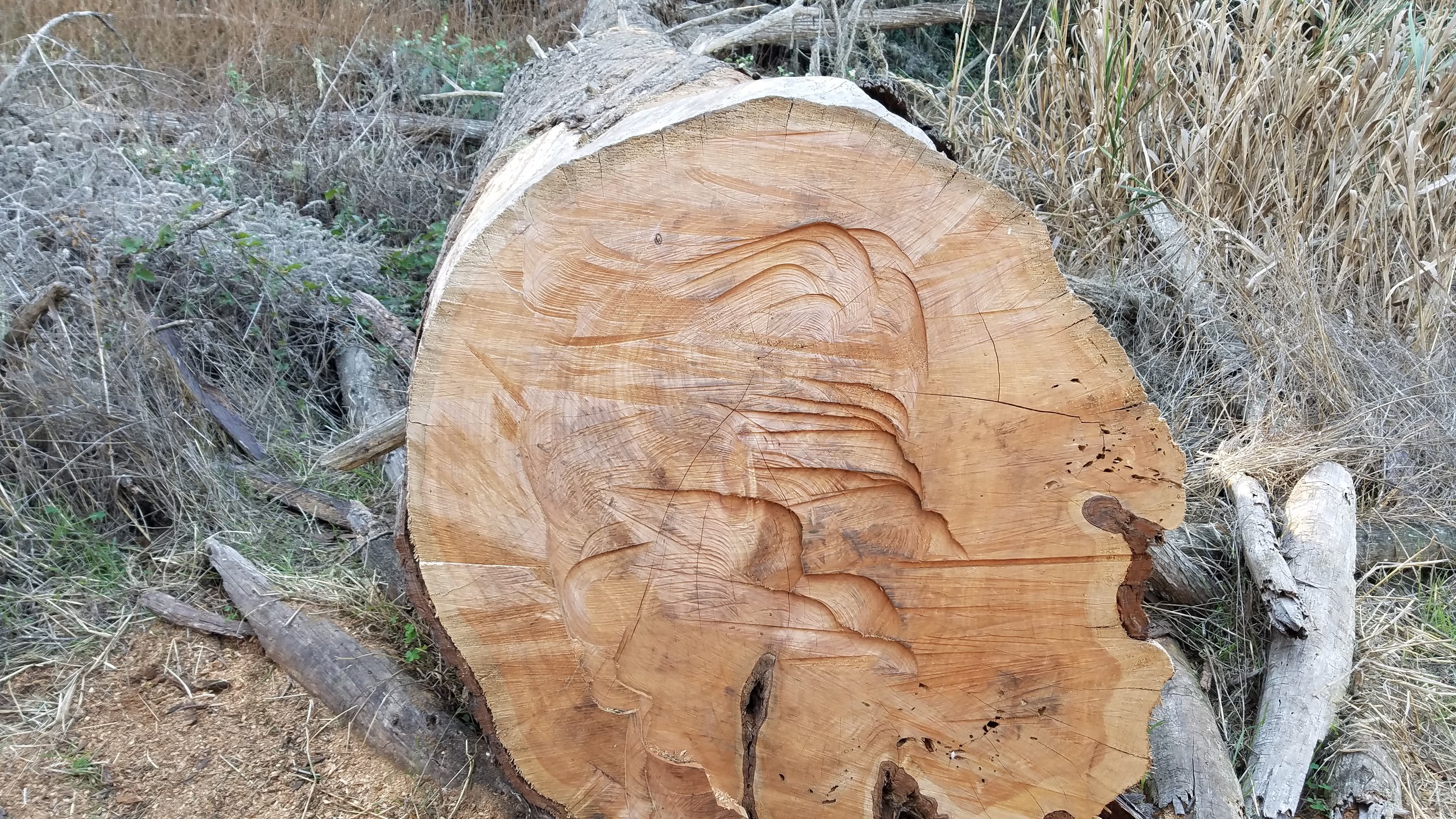
'Lofty_Hermitage_in_Cloudy_Mountains',_ink_on_paper_by_Fang_Fanghu HIGH RES.jpg thermals modeled cropped copy.png 20171228_091504.jpg

Convection is one way air is lifted in the atmosphere. On paper, watercolor artist "lift" clouds using paint and a paper towel. To my delight, I found this out in person while sitting in on a watercolor class at the Olympia Center. After several attempts (chronicled on pages 80-85 in my book), I managed to work the paper towel in the wet paint just so to create some masses that could be recognized as clouds. Sure, there's an elephant trunk in the center cloud and a witch's profile in another, but it sure was fun trying to make paint appear to float. 

IMAG2382[1].jpg

If you want to try it yourself, here is a very short YouTube video to get you started. 

Next Up: Sideways Plus #4: +Water+

1 Comment

"Sideways" on Tour

November 6, 2017 Maria Mudd Ruth
Because the Pacific Northwest isn't cloudy enough...

Because the Pacific Northwest isn't cloudy enough...

As if on cue, the clouds returned to the Pacific Northwest as Mountaineers Books' released my new book, A Sideways Look at Clouds. The clouds never do anything on cue, so their timing is notable here. (Even stranger, Hurricane Maria made landfall as I was starting my book tour).

The clouds have been dramatic this fall and I've been on the road encouraging readers to look up and enjoy the every-changing drama in the skies at bookstores and other venues in Olympia, Seattle, Bellingham, Marysville, Kirkland, Portland, and Washington, DC. (Check out my events calendar for upcoming talks and book signings).

More than talking about my book and sharing some of my photos of the spectacular clouds we have in the Pacific Northwest, I've loved answering their questions about clouds: How exactly does it rain? When is a cloud a "cloud" and when do you call them "clouds?" Why do we have so many clouds here? What's the deal with high and low pressure? Are clouds changing? I am going to create a FAQs page to answer all of these and more.

I've also loved hearing people's stories about clouds. Here is one story (handwritten) and delivered to me at the 2017 Pacific Northwest Booksellers Association (PNBA) trade show by Mary Anne Fraser, manager of Brilliant Moon books in Shelton.

"100 years ago, when I'd just turned twelve, I spent met hard-earned babysitting wages on a small Kodak camera. Within an hour the complete roll was filled and my mom (knowing how excited I'd been about this long-awaited purchase) offered to take the roll to our local "Pay and Save" to have my photos developed.
The week-long wait was finally over and I ran to the car to discover what my new hobby had delivered. Before I could open the obviously already opened packet, my mom said to me in a rather disappointed voice: "They're all clouds."
I looked at her, waiting for the rest of the observation ("They're beautiful." "I love the one that looks like an otter." "What an artist's eye you have.") but, alas, that was the sum total of her opinion.
I, on the other hand, was thrilled. Yes, they WERE all clouds."

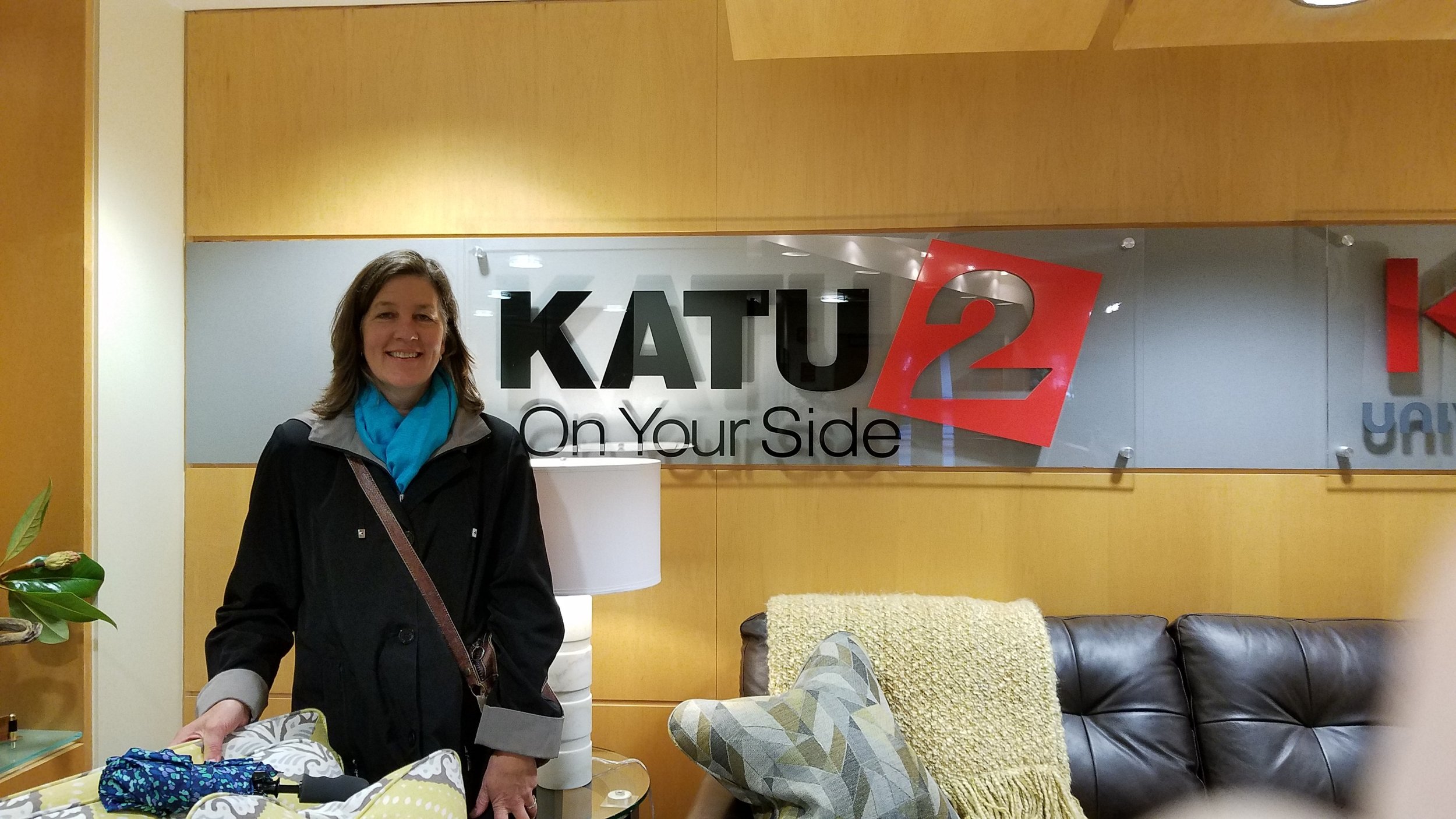
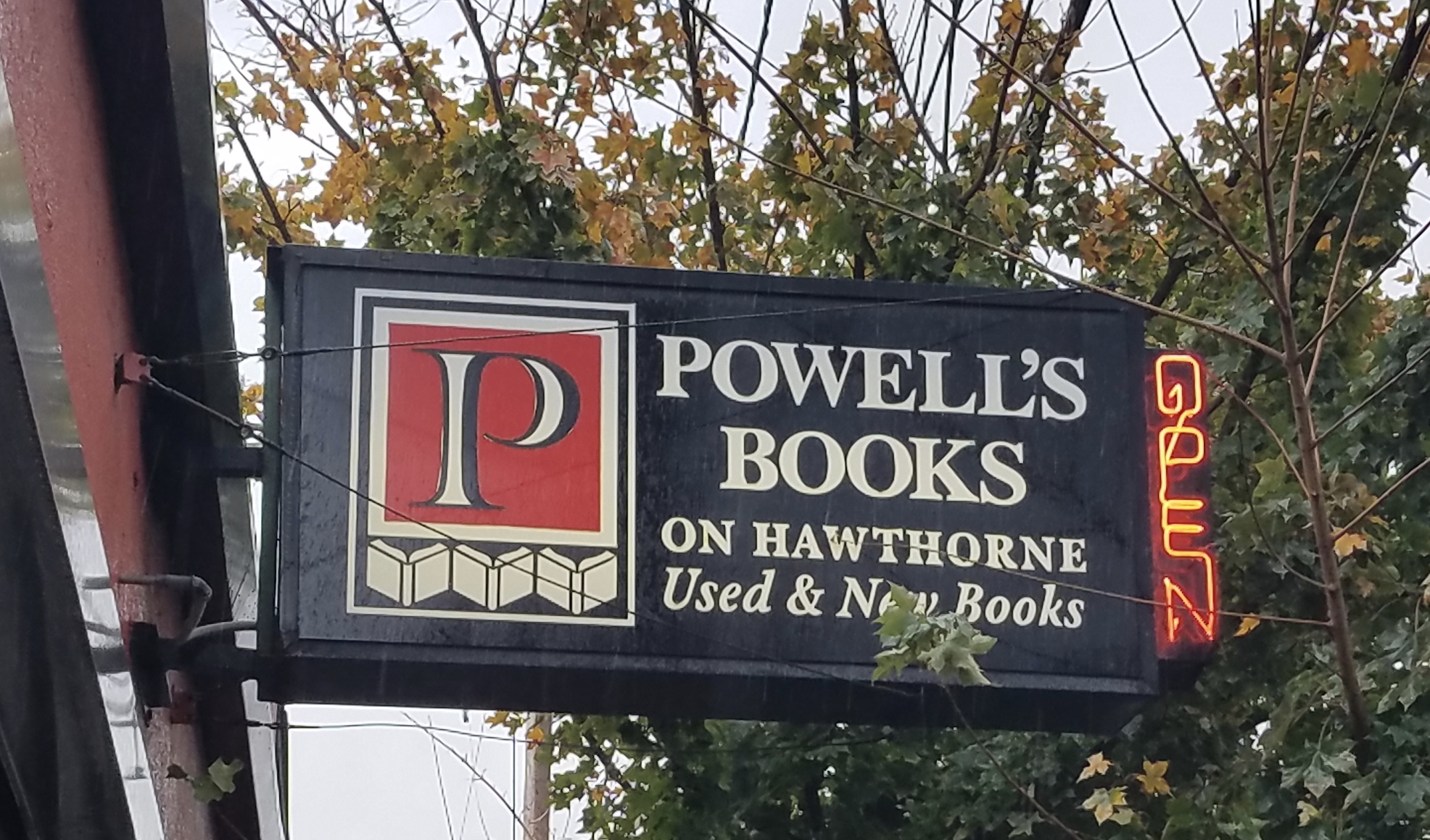
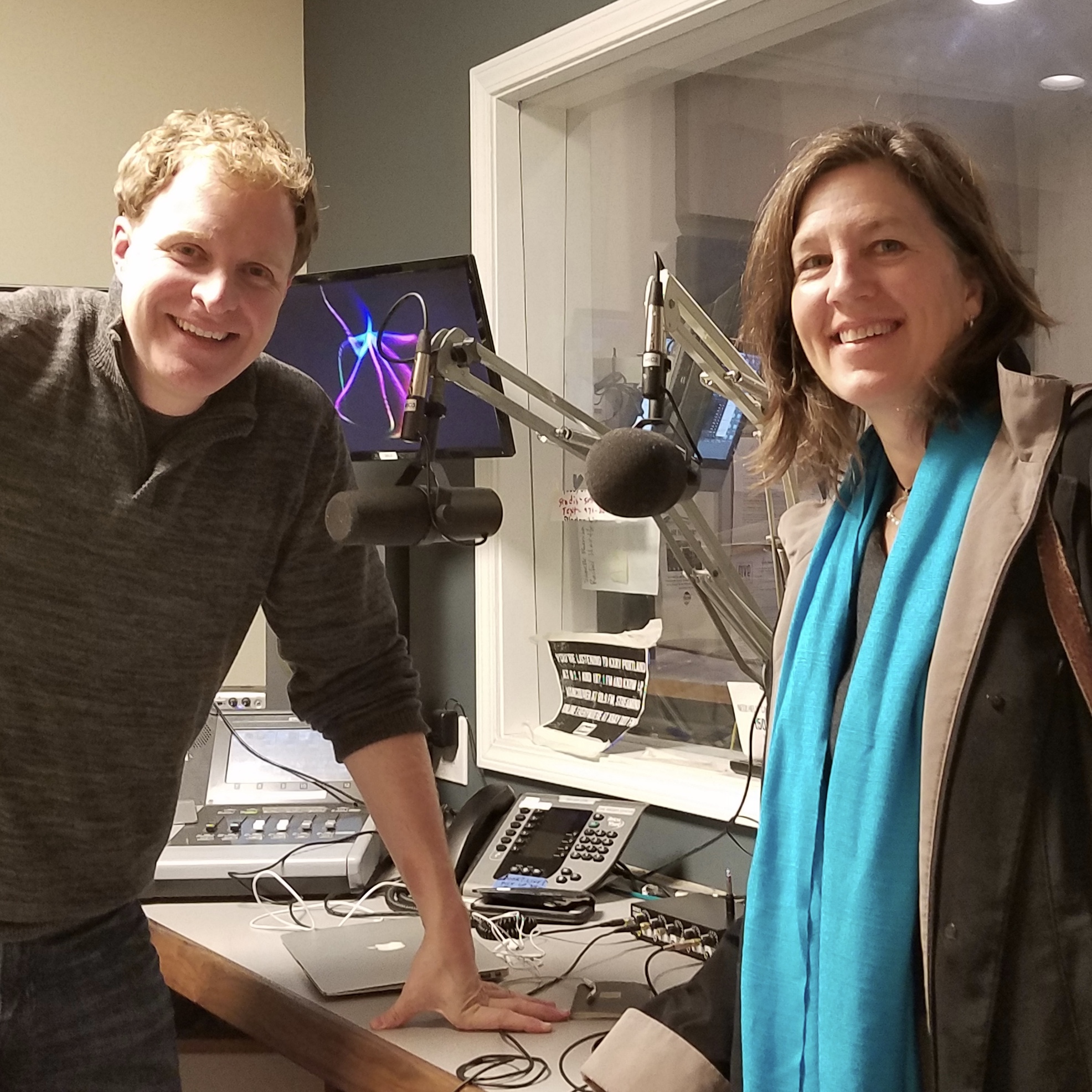
While in Portland, I visited KATU-TV to talk with Helen Raptis on "AMNW" and Tra'Renee Chambers on "Afternoon Live" and also with Jefferson Smith, host of "XRAY in the Morning" (skip to 1:54:48) before my talk at Powell's on Hawthorne

SidewaysLookClouds_cover draft copy.jpg
20171102_153905_001.jpg
Screen Shot 2017-11-02 at 10.50.29 AM.png
Screen Shot 2017-11-05 at 12.52.37 PM.png
20171031_164434.jpg
20171102_122524.jpg
20171102_090737.jpg
Screen Shot 2017-11-02 at 11.14.18 AM.png

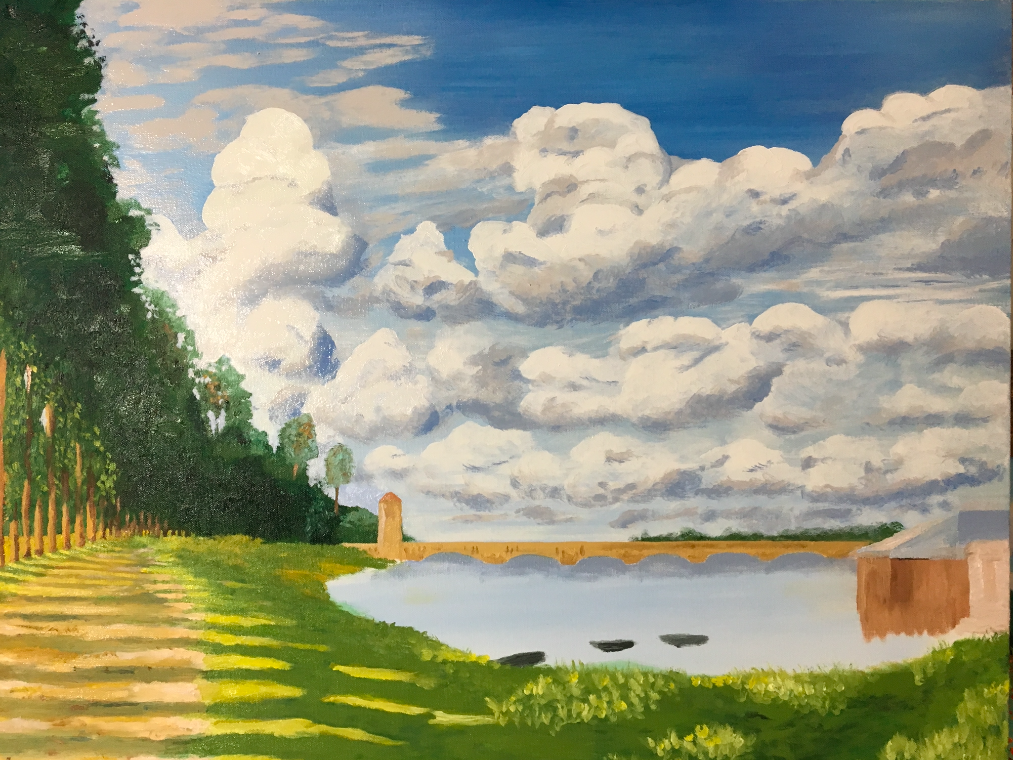
After my interview on "Afternoon Live," the on-set photographer, Mark Plut, showed me photographs of his two recent paintings--of clouds!  "I too am fascinated by clouds," Mark told me, "especially how to paint them." In the first painting, Mark as painted a sky washed with what look like cirrostratus clouds to me. In the second painting, the landscape is transformed by more dynamic cumulus and altocumulus clouds. What a difference, eh? Thank you, Mark!

Screen Shot 2017-11-06 at 4.59.03 PM.png
Screen Shot 2017-11-06 at 4.58.39 PM.png

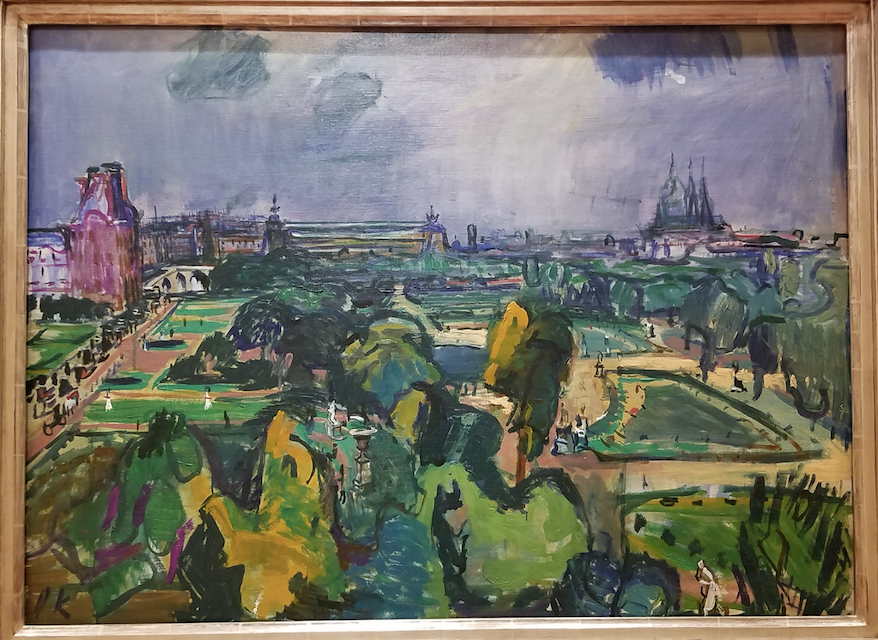
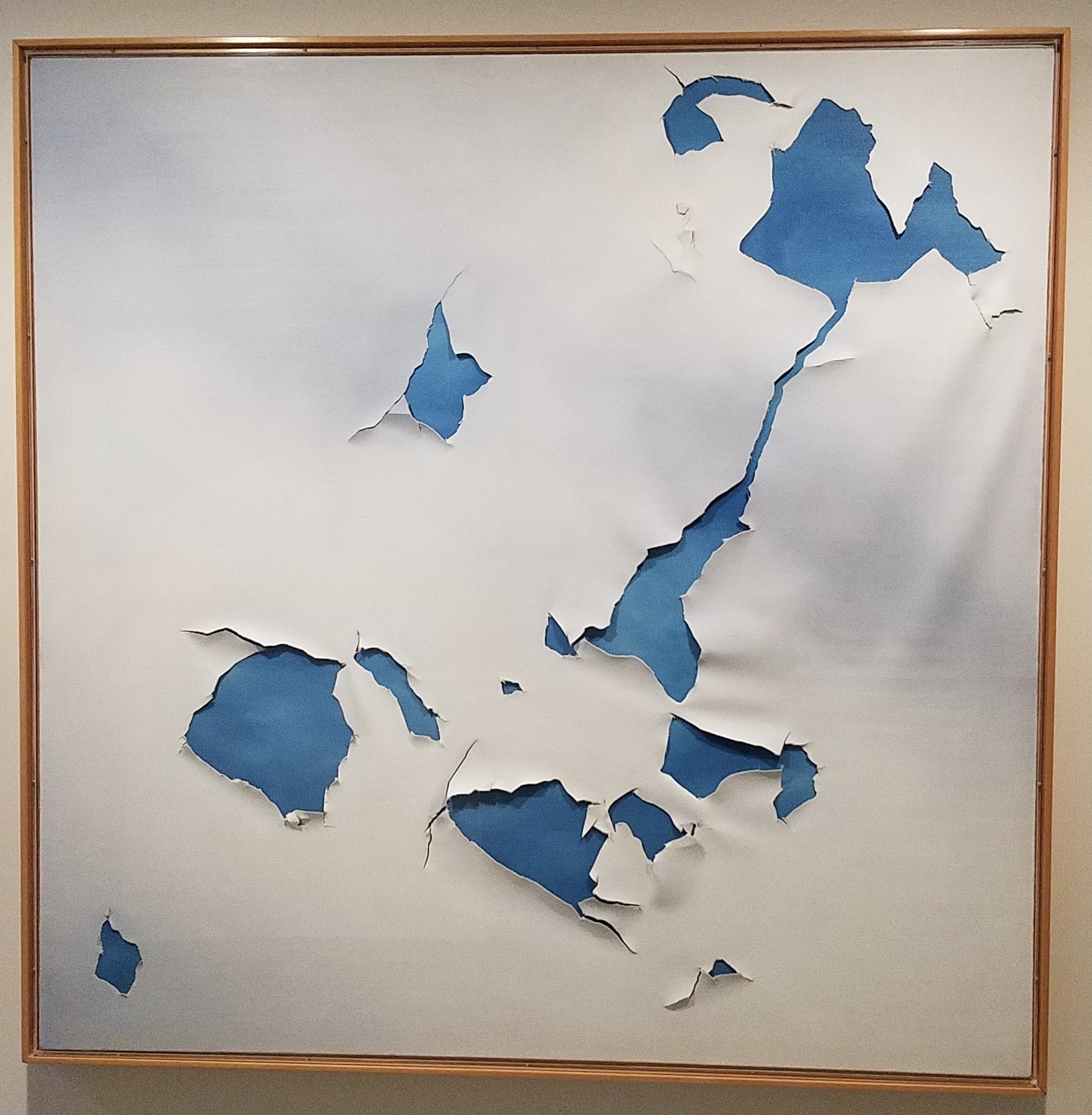
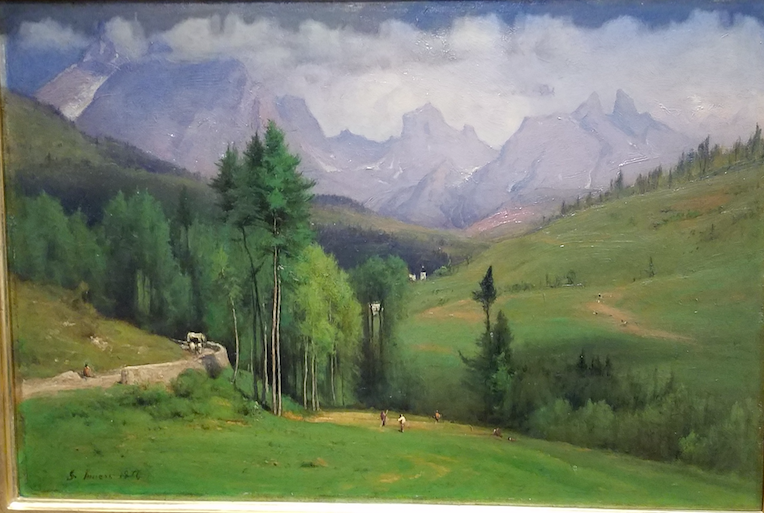
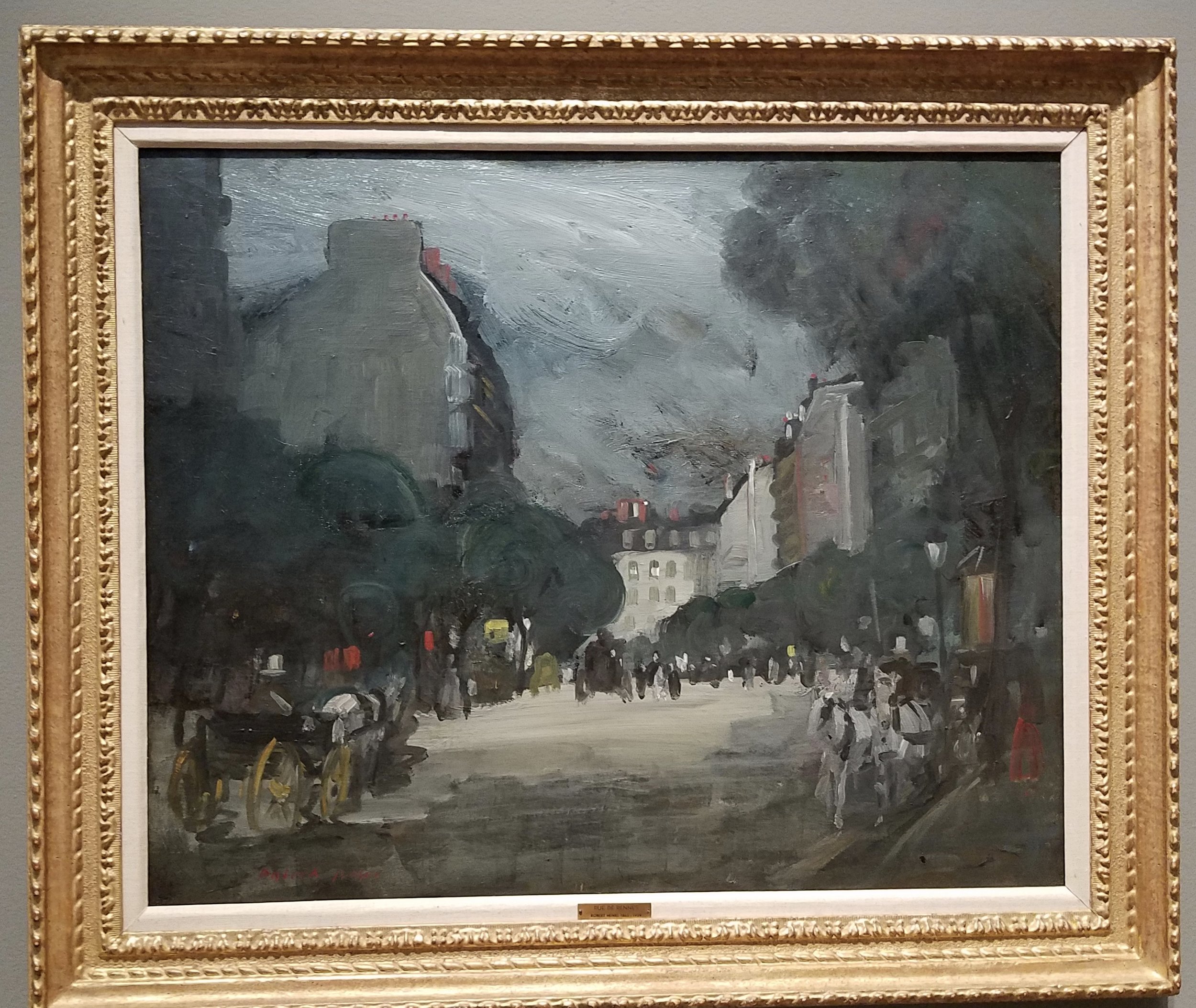
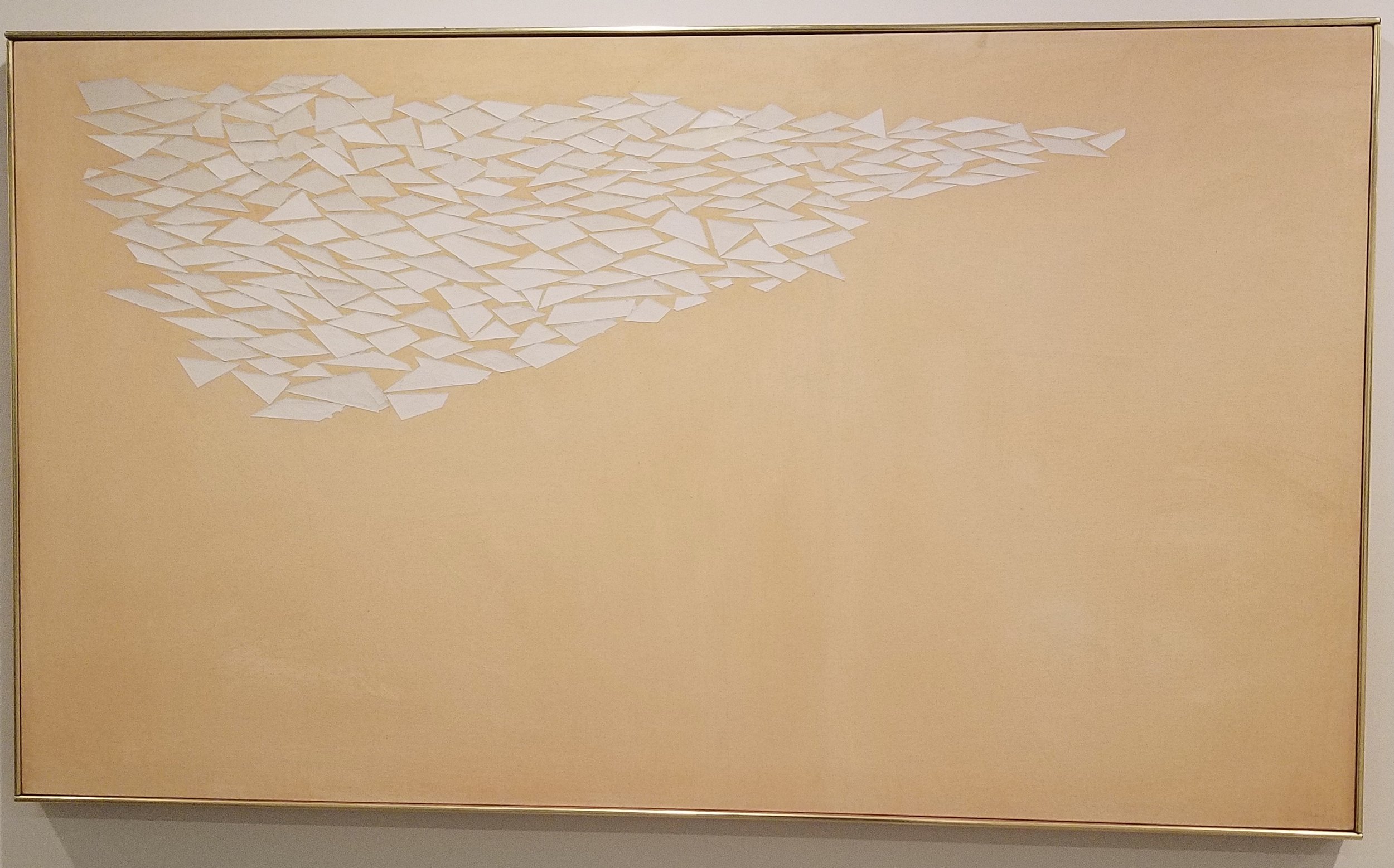
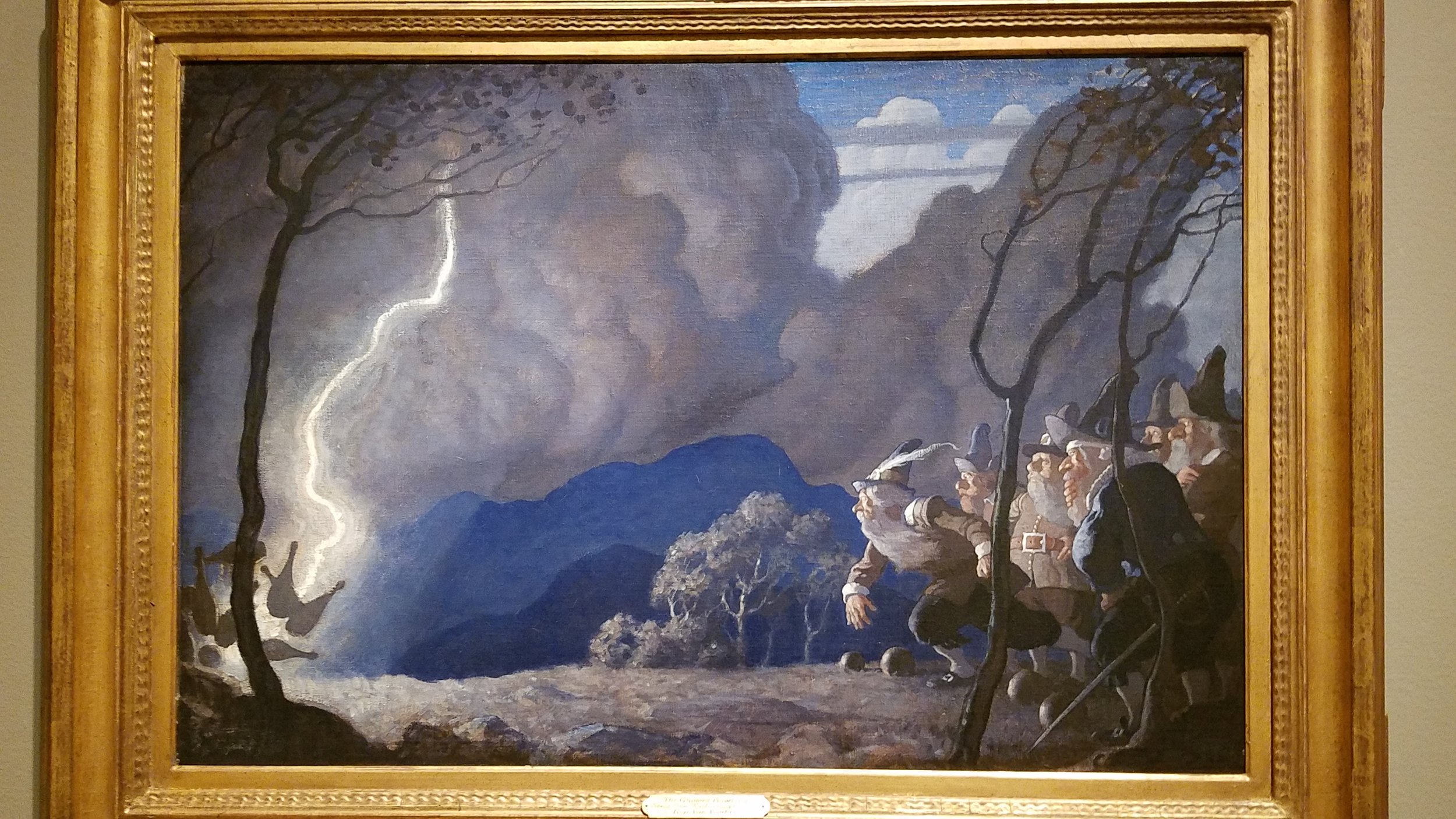
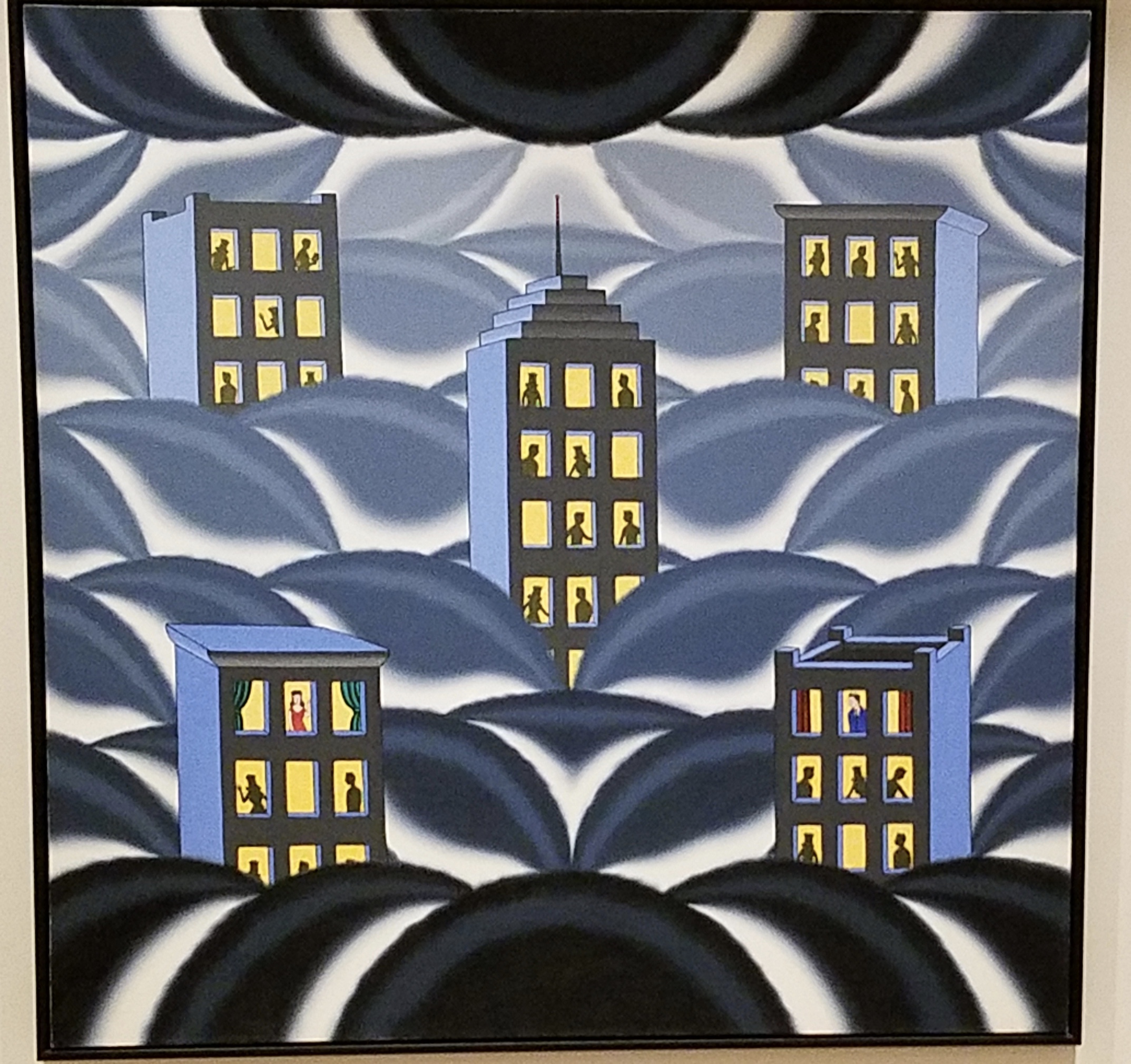
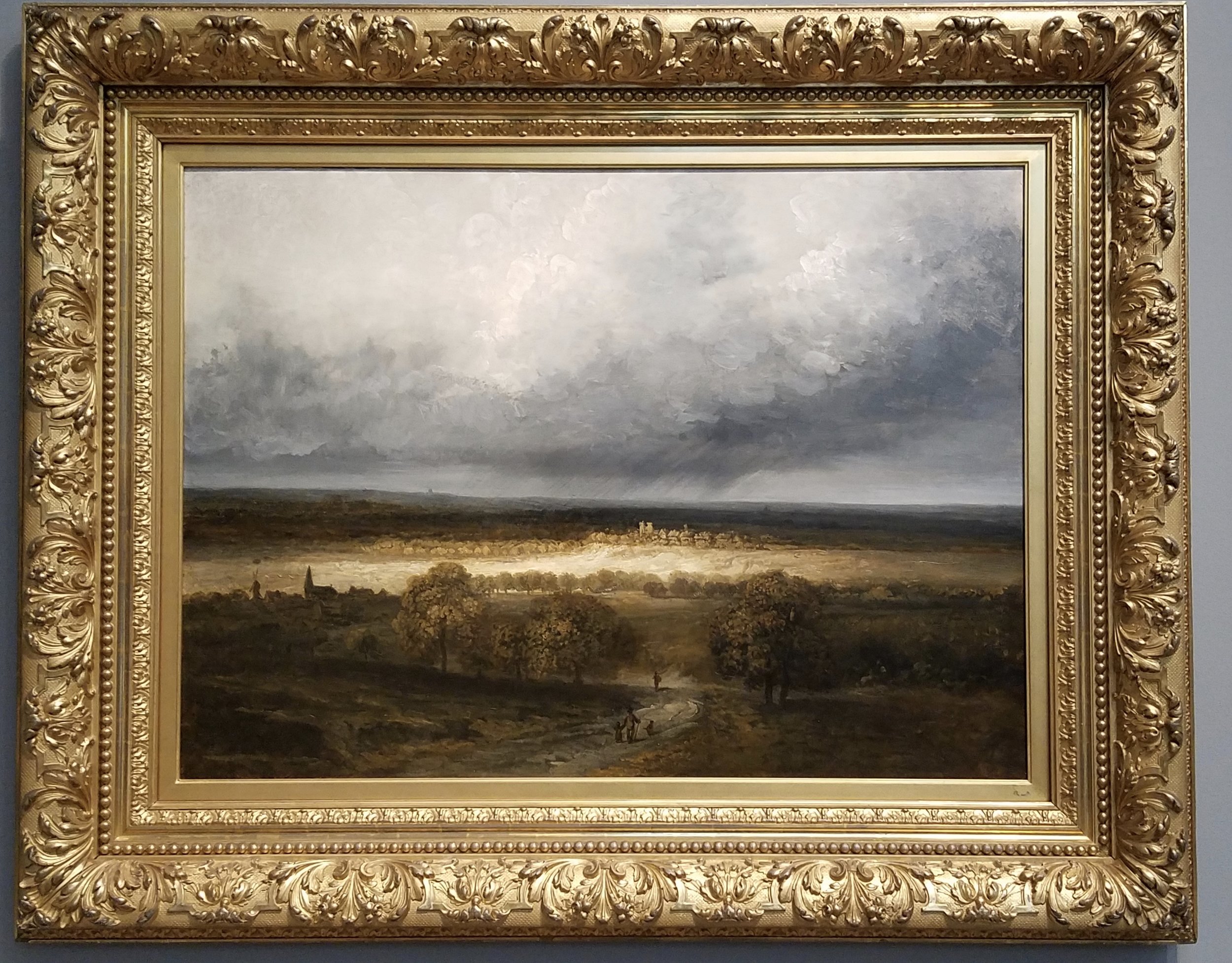
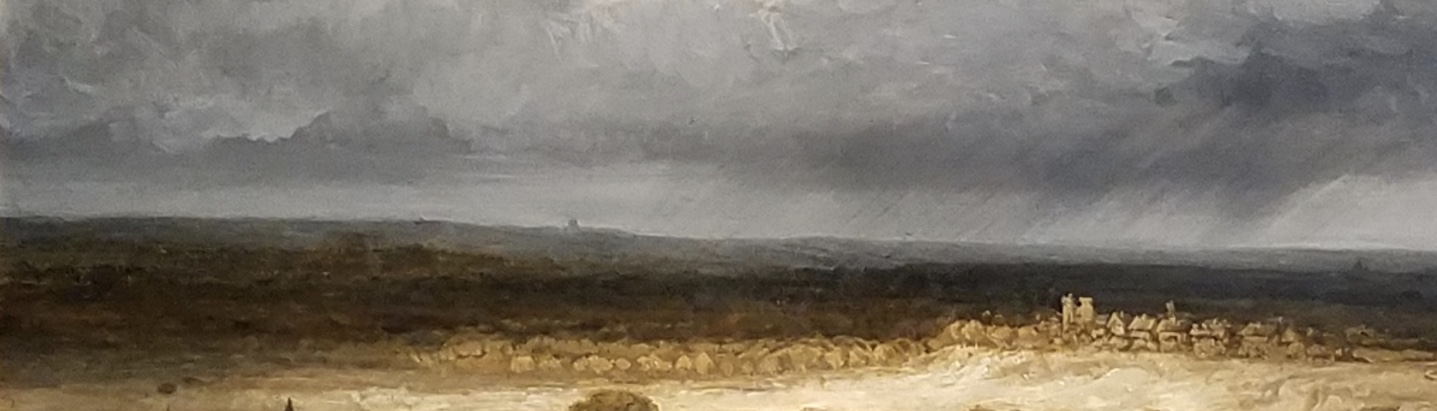
And because you can never have too many clouds--or paintings of clouds--in the Pacific Northwest, I went on a cloud hunt at the Portland Museum of Art. What a bonanza of clouds! Here is a gallery of a few of my favorites. 

Screen Shot 2017-11-06 at 5.28.07 PM.png 20171101_130155.jpg Screen Shot 2017-11-06 at 5.27.43 PM.png 20171101_122113.jpg 20171101_130049.jpg 20171101_122349.jpg 20171101_130757.jpg 20171101_115920.jpg 20171101_115920.jpg

Oskar Kokoschka/Tuileries Gardens, Paris; George Inness/Apezzo Pass, Titian's House; Joe Goode/Torn Cloud Painting; Robert Henri/Rue de Rennes; Robert Goonough/Grey Development; N.C. Wyeth/Rip Van Winkle, endpaper illustration; [forgot to photograph the label of the skyscrapers in the clouds--ooops]; George Michel/Landscape; ibid/detail of cloud

REMEMBER....EARTH WITHOUT ART is JUST "EH"

Speaking of...I'll be signing books at the 37th Annual  Wild Arts Festival at Montgomery Park in Portland, OR. The festival runs November 18-19 and benefits the fabulous Audubon Society of Portland. I'll be there Sunday noon-4 p.m. along with 36 other authors (and more than 200 artists) whose work is inspired by nature.

Screen Shot 2017-10-11 at 10.52.44 AM.png
In Books on Clouds, Clouds, Maria Mudd Ruth, Meteorology, Natural History, Pacific Northwest Clouds, Wild Arts Festival, Art Museums Tags A Sideways Look at Clouds, Powell's Books on Hawthorne, Portland Museum of Art, KATU-TV, XRAY-FM, Wild Arts Festival, Audubon Society of Portland, Clouds in Art
Comment

Sideways Plus #3: +Visible+

October 23, 2017 Maria Mudd Ruth
Why do we even see clouds? Chapter 3/Visible explores that question.

Why do we even see clouds? Chapter 3/Visible explores that question.

This third "Sideways Plus" post offers an excerpt from "Visible," the third chapter of my new book, A Sideways Look at Clouds plus illustrations and resources related to the chapter.

"Ironically, the more I understood about the visibility of clouds, the more difficult they were for me to watch. While gazing at the clouds, I would superimpose onto them as many individual water droplets as my minds' eye could generate. Then I'd travel 93 million miles to the sun and bring a big beam of light into the clouds and imagine multicolored wavelengths scattering every which way. My clouds flashed in rainbow colors. My clouds flashed bright white and gray. My clouds vibrated and buzzed with energy. My clouds were exhausting. I felt scatterbrained. I gave up drinking coffee for a while, thinking that the buzz from the caffeine might be jamming some electromagnetic channel of understanding between my brain and the clouds. Some days I couldn't bring myself to look at clouds at  all. They were just big billowing reminders of how little I know. Gone were the happy, innocent days when I saw them simply as dragons or elephants--or ice-cream castles in the air."  (page 49)

"Pure sunlight is not yellow and it does not emanate in lines or triangular rays. Pure sunlight is white and moves in invisible waves. This makes the sun difficult to depict accurately with crayons or any medium." (p. 46)

"Pure sunlight is not yellow and it does not emanate in lines or triangular rays. Pure sunlight is white and moves in invisible waves. This makes the sun difficult to depict accurately with crayons or any medium." (p. 46)

"That white light was composed of several constituent colors was proven by Isaac Newton  in a serious of experiments he conducted with a glass prism between 1666 and 1672. Although nearly 350 years had passed since Newton's discovery, I was hap…

"That white light was composed of several constituent colors was proven by Isaac Newton  in a serious of experiments he conducted with a glass prism between 1666 and 1672. Although nearly 350 years had passed since Newton's discovery, I was happy to rediscover this 'celebrated phenomenon of color' on this morning." (p. 47) (Portrait of Newton by Godfrey Kneller, 1609)

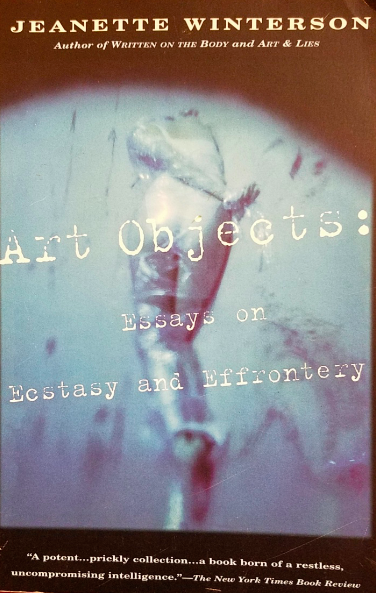
"There are plenty of books on 'the art of seeing' but none so perfectly--and uncannily--addressed my problems of seeing the clouds as a book of art and literary criticism by British novelist, Jeanette Winterson." (p. 52) 

"There are plenty of books on 'the art of seeing' but none so perfectly--and uncannily--addressed my problems of seeing the clouds as a book of art and literary criticism by British novelist, Jeanette Winterson." (p. 52) 

"'Pea souper' struck me as a quaint and colorful British name for the particularly thick fog common in London and elsewhere in the U.K...[but] this naturally occurring fog turned toxic during the Industrial Revolution when the water droplets in fog …

"'Pea souper' struck me as a quaint and colorful British name for the particularly thick fog common in London and elsewhere in the U.K...[but] this naturally occurring fog turned toxic during the Industrial Revolution when the water droplets in fog formed around sulfur dioxide and the soot belched from coal-boring factories and fireplaces." p. 56 Read the story of the Great Smog of 1952 here. [NOTE: Smog is a word combining "SMoke" and fOG."]

"Fog is the only cloud you can swim in, though no one mentions this fact or recommends this simple, rare pleasure." p. 57

"Fog is the only cloud you can swim in, though no one mentions this fact or recommends this simple, rare pleasure." p. 57

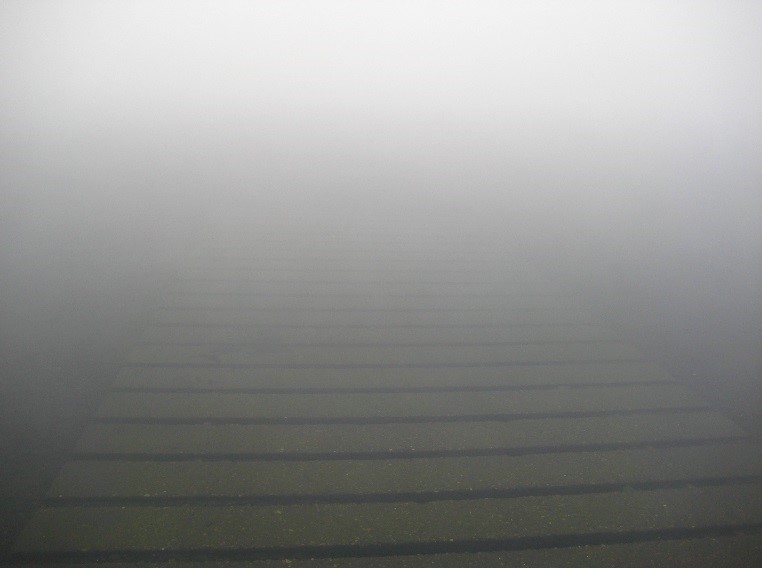
"At the crest of the hill leading down to the lake, I felt a smile stretch across my face. There was no lake. There were no docks, no boats, no lake-front houses. It was all fog. All fog except for the wide cement slabs of the public boat ramp. And …

"At the crest of the hill leading down to the lake, I felt a smile stretch across my face. There was no lake. There were no docks, no boats, no lake-front houses. It was all fog. All fog except for the wide cement slabs of the public boat ramp. And the brown wooden fishing regulation sign. And the pickup truck." (p. 60)

Saving the best for last here... PLEASE PLEASE click here to watch Joni Mitchell singing her song "Both Sides Now" on the Mama Cass TV show in 1969. Perhaps unwittingly, Mama Cass is wearing an outfit that shows her uncanny (or unwitting?) unde…

Saving the best for last here... PLEASE PLEASE click here to watch Joni Mitchell singing her song "Both Sides Now" on the Mama Cass TV show in 1969. Perhaps unwittingly, Mama Cass is wearing an outfit that shows her uncanny (or unwitting?) understanding of the sunlight and visible spectrum ;)

Read Other Sideways+ Posts:  Prologue + Chapter 1/Cloud

In sideways+
Comment
← Newer Posts Older Posts →

Subscribe

Sign up with your email address to receive my blog in your inbox.

Thank you!
Blog RSS

Flying from Mountaineers Books this Spring—the story of the Pigeon Guillemot—the world’s most charismatic alcid. This non-fiction natural history will be on bookshelves and available from online retailers on April 7, 2026. Click a link below to pre-order a copy now from these purveyors:

Mountaineers Books (non-profit, indie publisher based in Seattle)

Browsers Books (Olympia’s indie bookstore)

Bookshop.org (support your local bookstore)

Barnes & Noble (in the book biz since 1971)

Amazon

Other Natural History Titles by Maria Mudd Ruth…

A Sideways Look at Clouds


“Compelling…engaging.” The Library Journal

“Rare insights into the trials and joys of scientific discovery.” Publishers Weekly

Read more reviews and details here: Rare Bird: Pursuing the Mystery of the Marbled Murrelet

Enjoy this song by Peter Horne, "Little Bird, Little Boat, Big Ocean.” Written about the Marbled Murrelet, but the lyrics work well for the Pigeon Guillemot, too.


  • Clouds
  • Natural History
  • Open-water Swimming
  • Lake Swimming
  • Washington Lakes
  • Wild Swimming Washington
  • Pacific Northwest Clouds
  • Books on Clouds
  • Meteorology
  • Wild Swimming
You must select a collection to display.

Subscribe

Sign up with your email address to receive my blog in your inbox.

Thank you!
Blog RSS

©2026 MARIA MUDD RUTH  |  ALL RIGHTS RESERVED