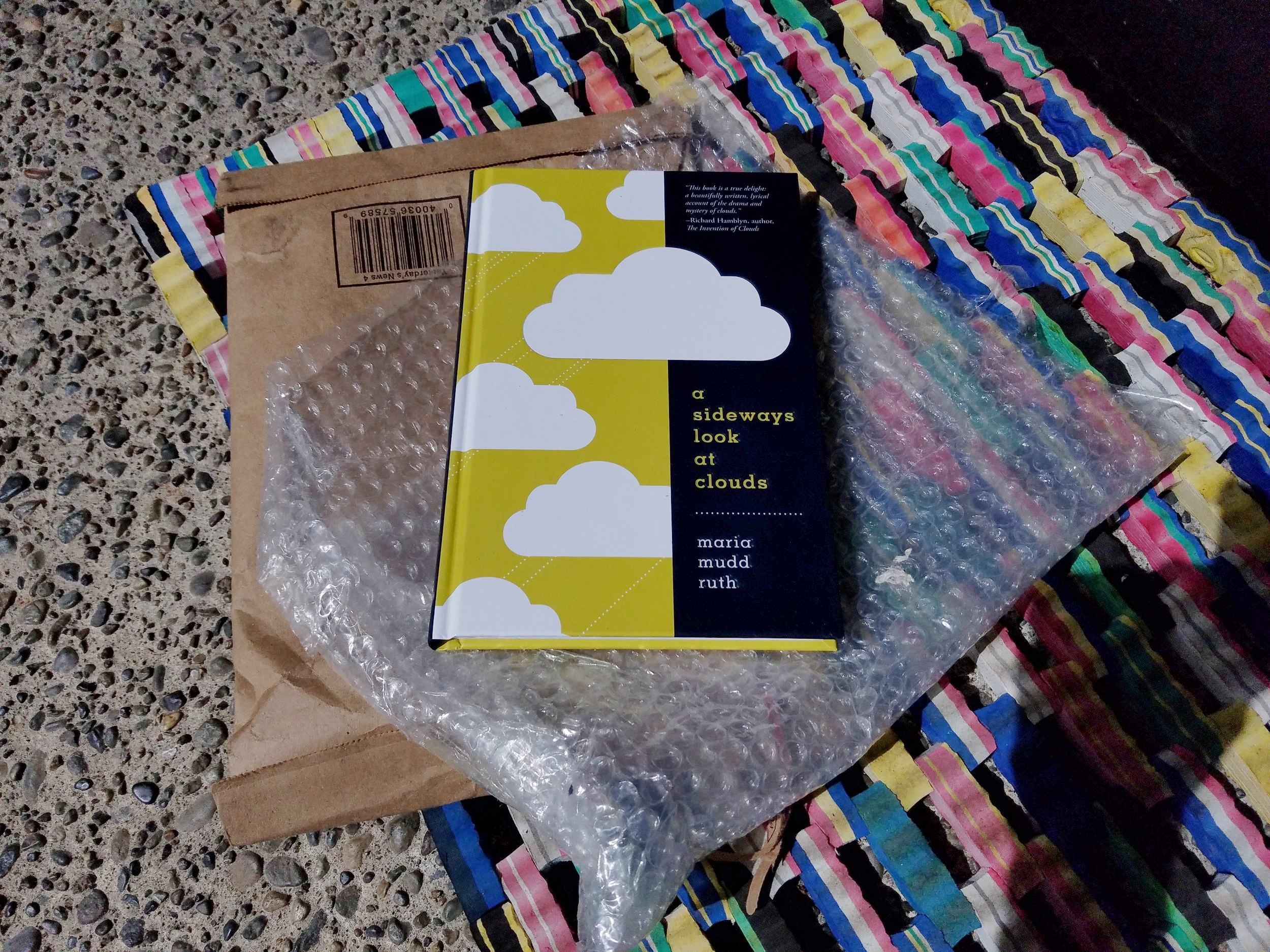
What a great day in Cloudville! As I pulled into my driveway this morning after grocery shopping, I noticed a suspicious looking package on my front doorstep. Suspicious because it was about the size of a book. I leapt out of my car and toward the package. Yes! An early copy of my new book, A Sideways Look at Clouds.
Clouds by Rail
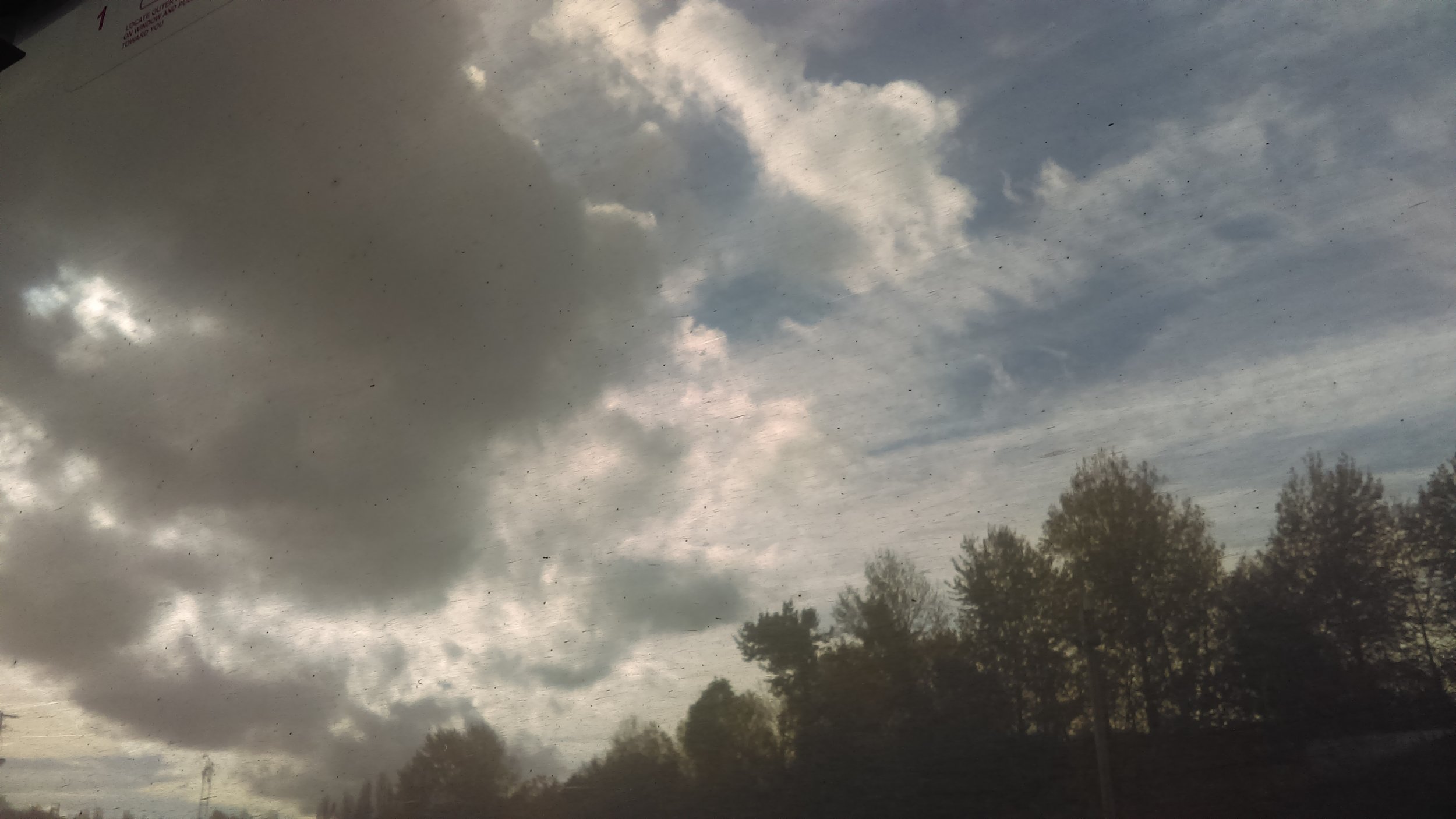
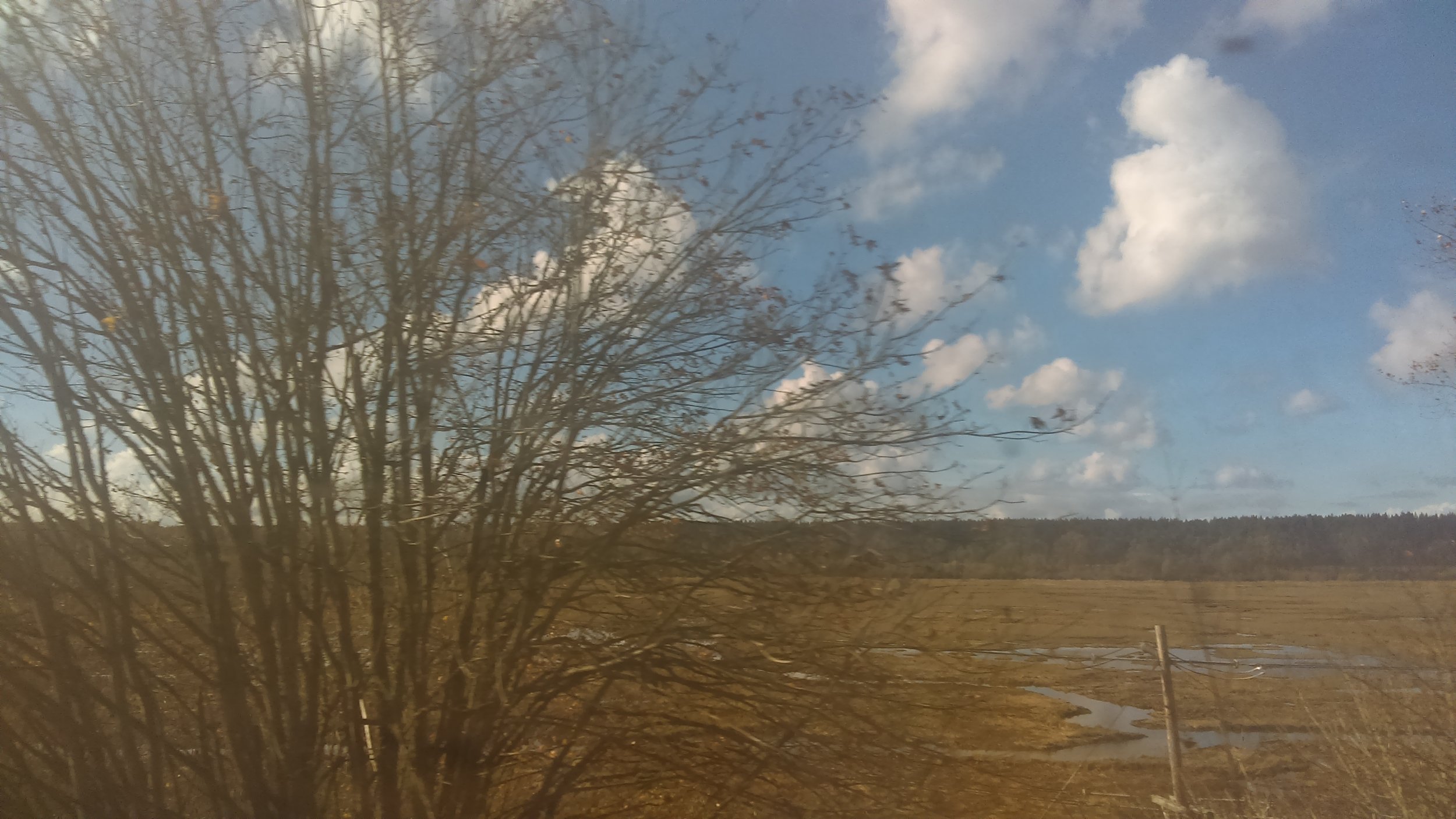
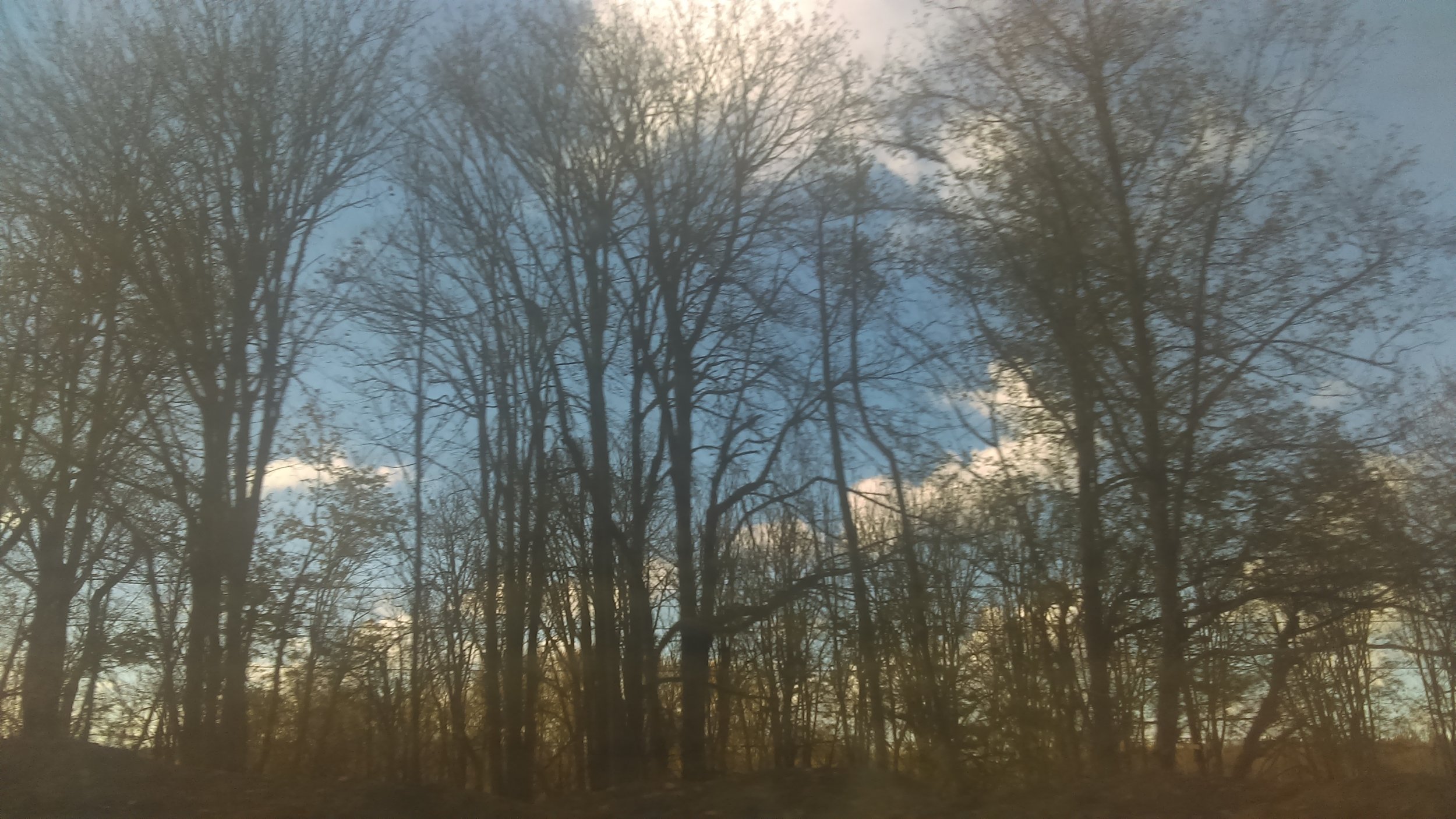
En route by train from Bellingham, WA to Olympia not long ago, I spent the entire four hour trip in the window seat looking out the window and taking photos of the scenery and clouds and bridges along Puget Sound as we headed south.
At first I was dismayed by the window--scratched or abraded so badly that all my photos looked fuzzy.. But after looking at the results, I loved the strange opaque quality of the photographs. They look more like old-fashioned silver prints or Daguerrotypes. And the clouds look like something out of dream.
Test Your Cloud I.Q.
During our recent spate of sunny days, I've been enjoying going through my completely unorganized files of cloud photos I've taken over the past several years. Until fairly recently, I couldn't name the type of cloud in the photo--a bit of knowledge that would have helped me organize them into ten tidy folders.
Now, with lots of practice, some guess work, and some help from my meteorologist in Arizona, I am posting here a slide show of clouds for you to try your hand at identifying.
Click on the image below to advance the slides to see fourteen photos representing some of the main cloud types and some variations. Just below this slideshow, you'll find the same slides with cloud names provided. (The first name is the genus, the name in parenthesis is the species or variety).The two sets of slides are in slightly different order so as to discouraging peeking.
To refresh: The ten main cloud types: Stratus, Stratocumulus, Cumulus, Nimbostratus, Cumulonimbus, Altocumulus, Altostratus, Cirrostratus, Cirrocumulus, and Cirrus.
Remember: The slide set above is your quiz; the set below, in different order, has the answers.
This is a great sunny-day activity when you are just too tired to slather on more sunblock or have exhausted your vocabulary for describing the skies of a Pacific Northwest summer: "perfect," "clear," "azure," "stunning," "cloudless," "crystal clear," "brilliant," etc.
Bad Meteorology
Seriously? The harmless cumulus clouds are being blamed for bad hair days? Sure, our hair does respond to the humidity in the air (by turning "frizzy" in high humidity and "flat" in dry air) and humidity does play a major role in cloud formation. But these clouds are the little cumulus humilis--clouds that generally form when humidity levels are not so high as to cause this OMG, like totally embarrassing up-do. Cumulus humilis are known as "fair weather" clouds and would likely flatten, not frizz hair. I have no idea of this cloud's effect on leg hairs.
Why all the clouds if it's Blue Skies LLC? Because the sky without clouds is, dare I say, boring. As is a business card. You'll notice clouds used frequently in print media as a backdrop for book or magazine articles even if the subject is not clouds.
And how about this friendly li'l guy who misleads school children everywhere? Water droplets are not teardrop shaped. Rain drops are not teardrop shaped. Even tears are not teardrop shaped! Only when water leaks or drips slowly out of a faucet does it resemble this shape. Rain drops are the shape of a hamburger bun--slightly convex on top. But who wants to learn about their watershed or the water cycle from a blue hamburger bun?
Look at these very dark, scary rain clouds from Seattle. No need to criticize the accuracy of the cloud here (it's "art" on a pair of socks, after all) but I will defend the clouds' reputation by reminding everyone that Seattle, Washington, isn't all that rainy. It's less rainy than Miami and several other U.S. cities. What Seattle has is clouds--not always rain clouds--but clouds. Lots of them.