• Home
  • The Bird with the Flaming Red Feet
  • Rare Bird: Marbled Murrelet
  • A Sideways Look at Clouds
  • Author
  • Events
  • Blog
  • Contact
Menu

Maria Mudd Ruth

Street Address
City, State, Zip
Phone Number
author and naturalist
Homepage-Banner.jpg

Maria Mudd Ruth

  • Home
  • Books
    • The Bird with the Flaming Red Feet
    • Rare Bird: Marbled Murrelet
    • A Sideways Look at Clouds
  • Author
  • Events
  • Blog
  • Contact

Convective Debris

July 14, 2014 Maria Mudd Ruth
The weekend's turbulent skies made it a challenge to identify the types of clouds over South Puget Sound.  (Photo by MM Ruth)

The weekend's turbulent skies made it a challenge to identify the types of clouds over South Puget Sound.  (Photo by MM Ruth)

For a cloud-watcher like me, the past few days in the Pacific Northwest have been pretty dull, what with all that blue sky and sunshine and 95-degree days. The clouds didn't disappear entirely over Olympia during our heat wave. A few streaky cirrus showed up Friday night at sunset (a desperate play for attention) and piles of cumulus congestus lurked behind the east side of Mt. Rainier on Saturday.

Ah, but Sunday they came back in force to reclaim the skies and restore our corner of the continent as the cool, wet, gloomy-skied place that's looking pretty good to our vitamin-D-drenched neighbors in the Southwest.

The mild winds were shifting wildly on Saturday and the skies were kind of a mess on Sunday. There were many different kinds of clouds at different altitudes--making it hard to id them as anything but, ummm, stratocumulus fractus??  "Fractus" (same root as "fraction" or "fractured") is the word applied to the shreddy bits of clouds as the are deteriorating or evaporating.

I checked the the National Weather Service forecast description for Saturday and learned that the fractusness I was seeing was "CONVECTIVE DEBRIS FROM SCATTERED THUNDERSTORMS OVER OREGON AND THE SOUTHERN WA CASCADES."

Convective debris.  I love it! It's like saying cloudy junk.

No need to get uptight about naming all these clouds. Add "convective debris" to your cloud vocabulary and you're covered.

No need to get uptight about naming all these clouds. Add "convective debris" to your cloud vocabulary and you're covered.

Convective clouds are cumulus clouds--the ones that form puffs of varying sizes and include cumulus, stratocumulus, altocumulus, cumulus congestus, and cumulonimbus. The latter cloud produces the rain and lightning and "thundershowers." We didn't experience these events over the weekend in South Puget Sound; we got the side dishes and the leftovers, the "debris" from these clouds to our south.

And what beautiful debris it was.


Tags clouds, convective debris, stratocumulus clouds
Comment

Marbled Murrelets in the Wild

July 9, 2014 Maria Mudd Ruth
IMG_0245.JPG
CIMG2959.JPG
CIMG2960.JPG
CIMG2962.JPG
CIMG2963.JPG
CIMG2964.JPG
CIMG2965.JPG
CIMG2966.JPG
IMG_0240.JPG
IMG_0254.JPG
IMG_0259.JPG

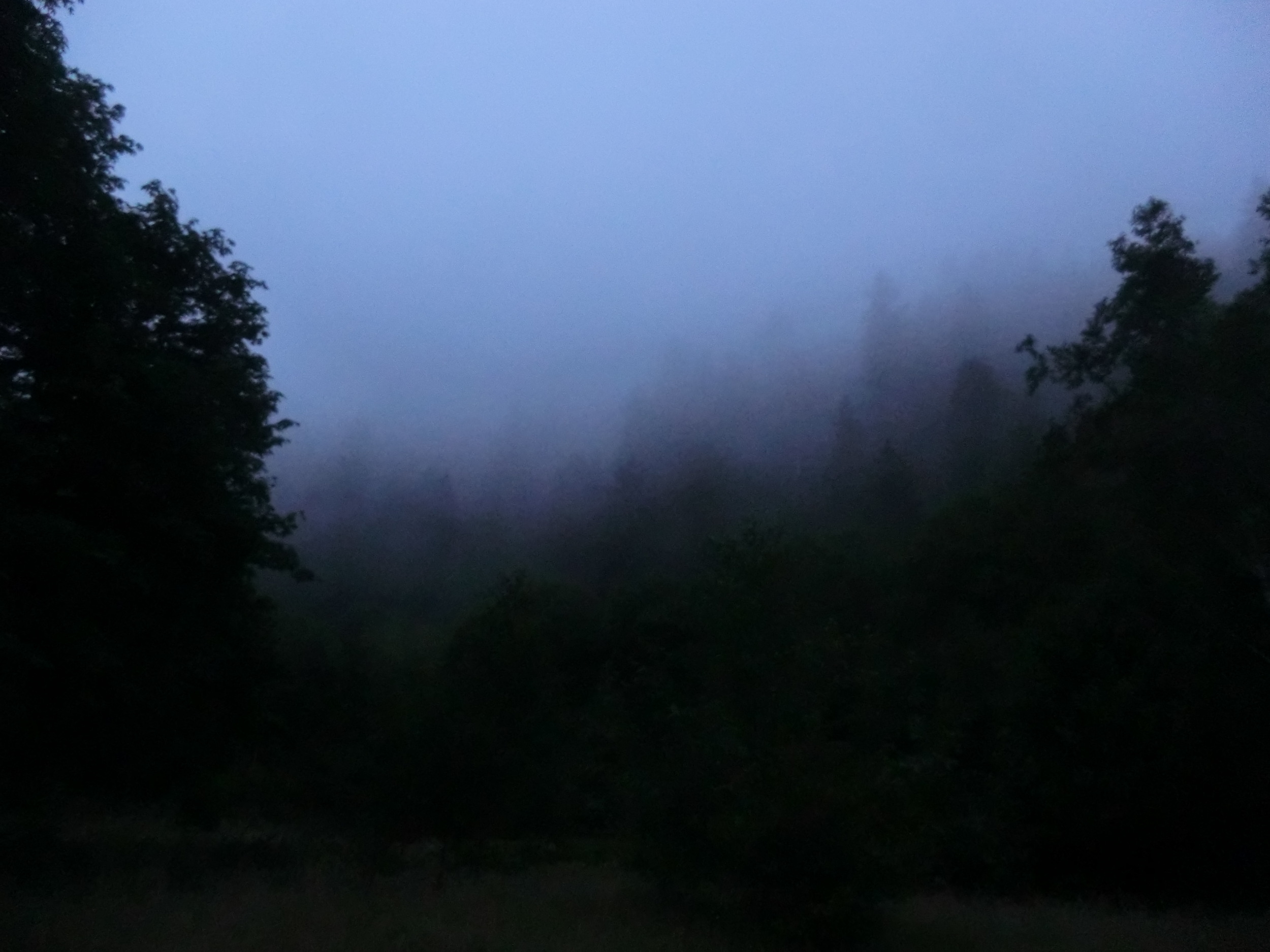
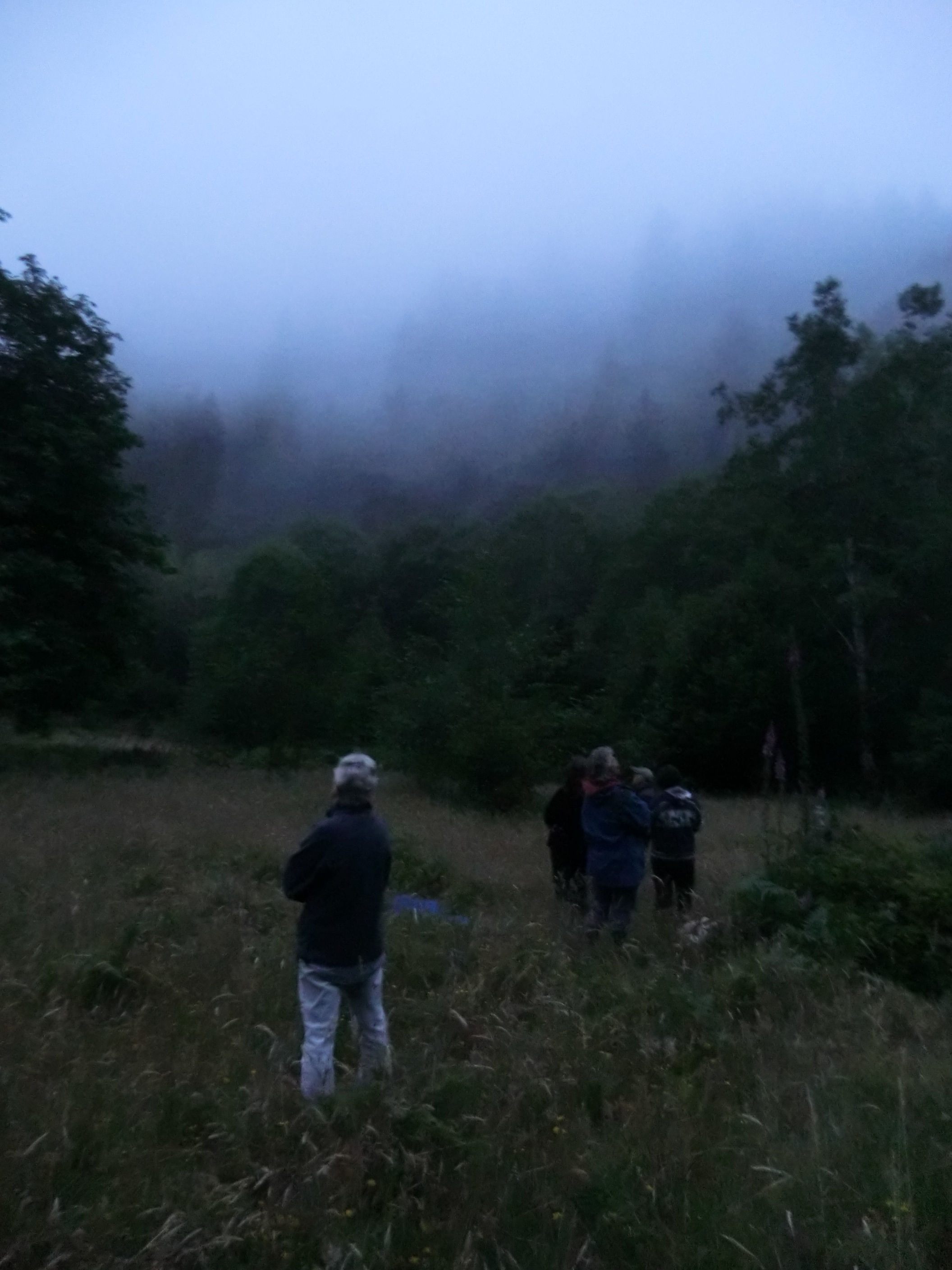
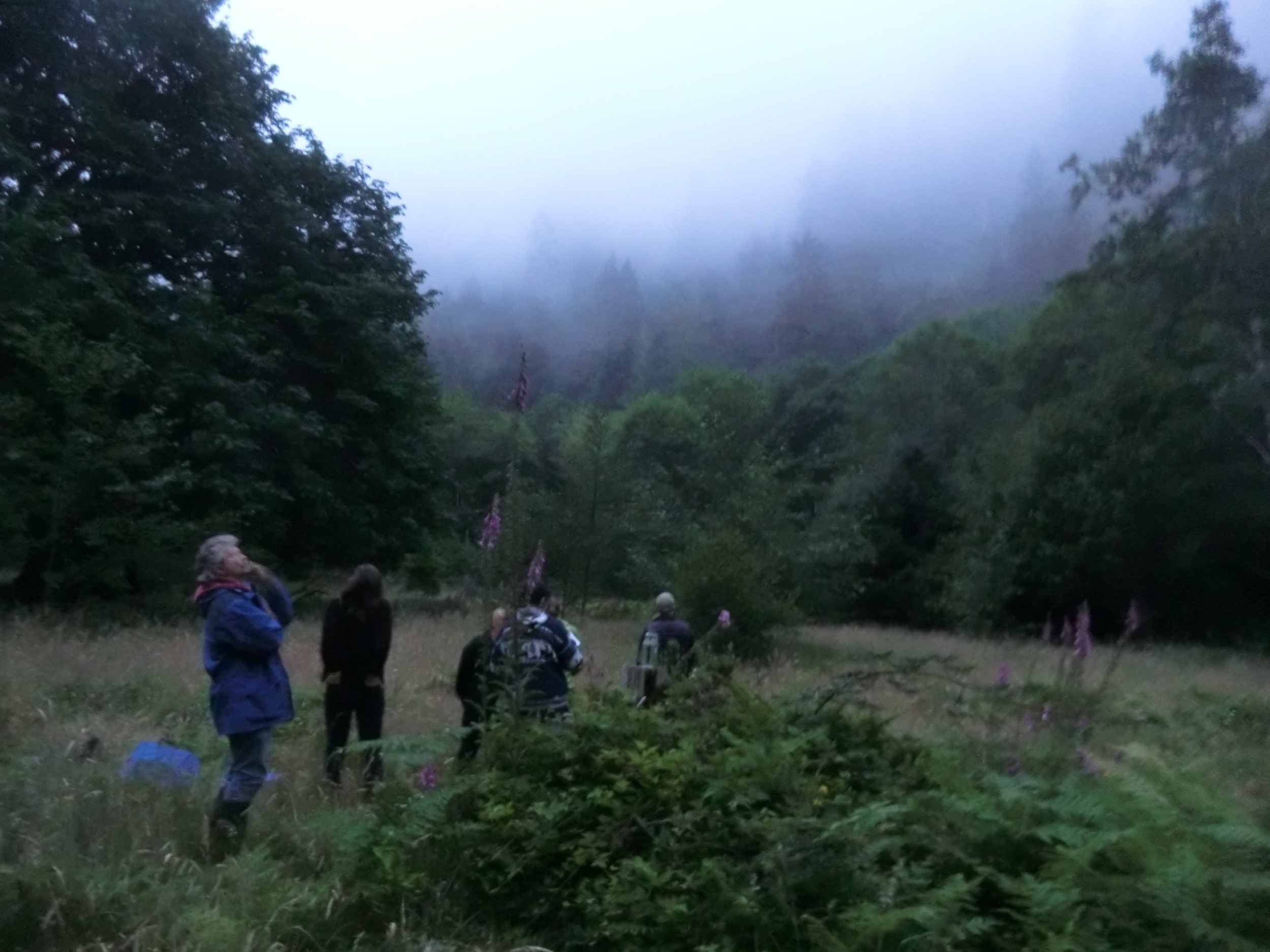
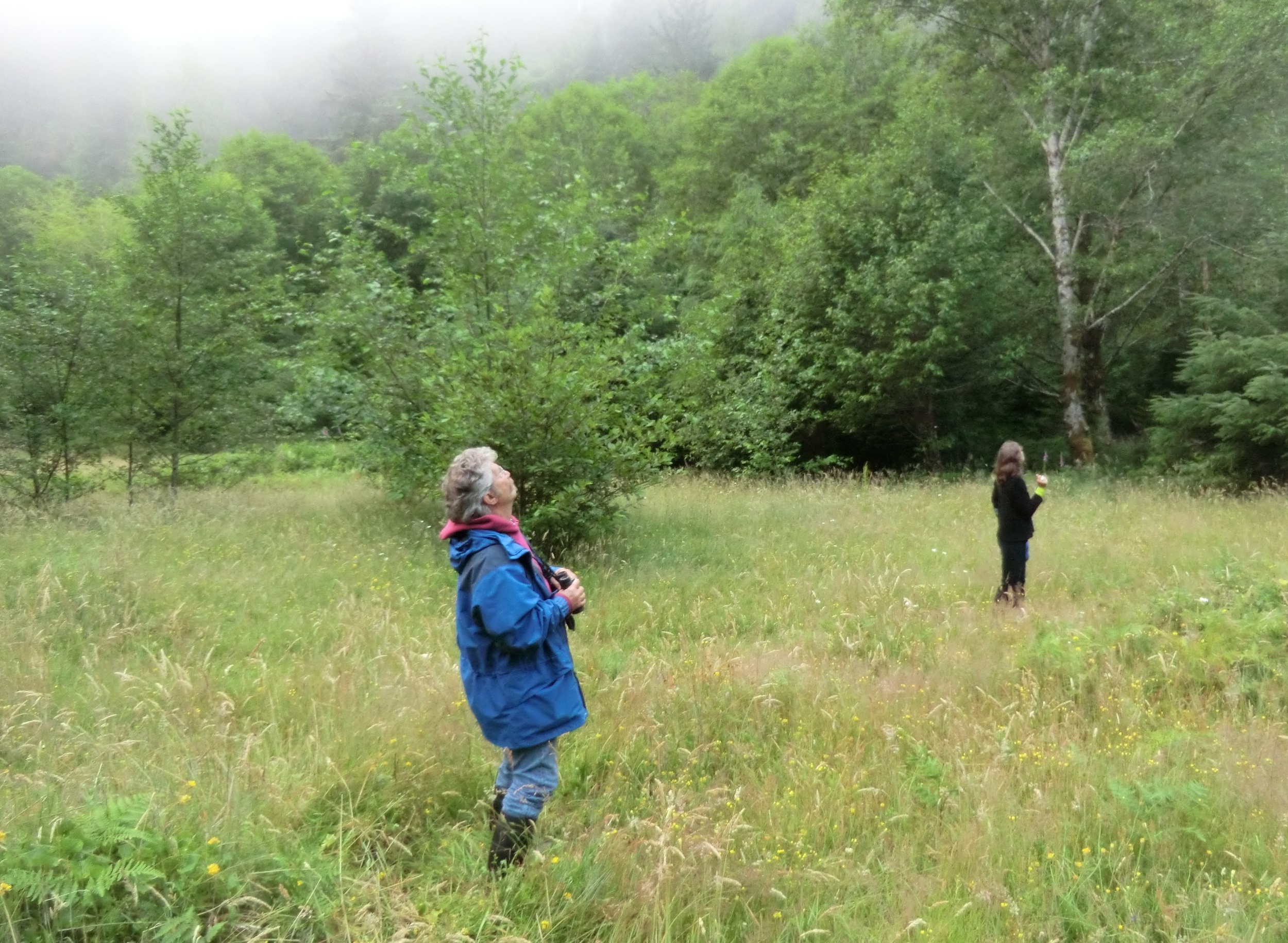
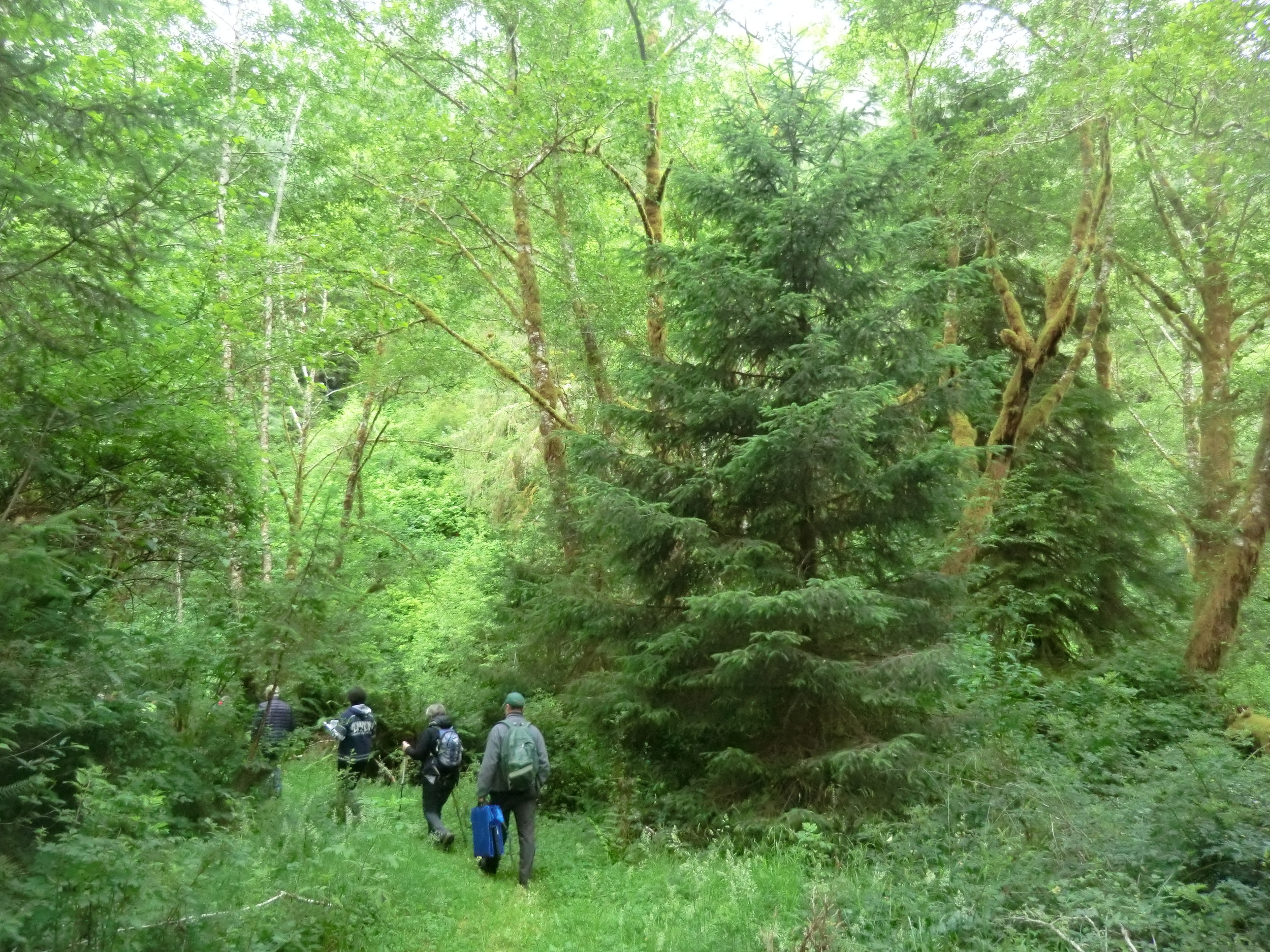
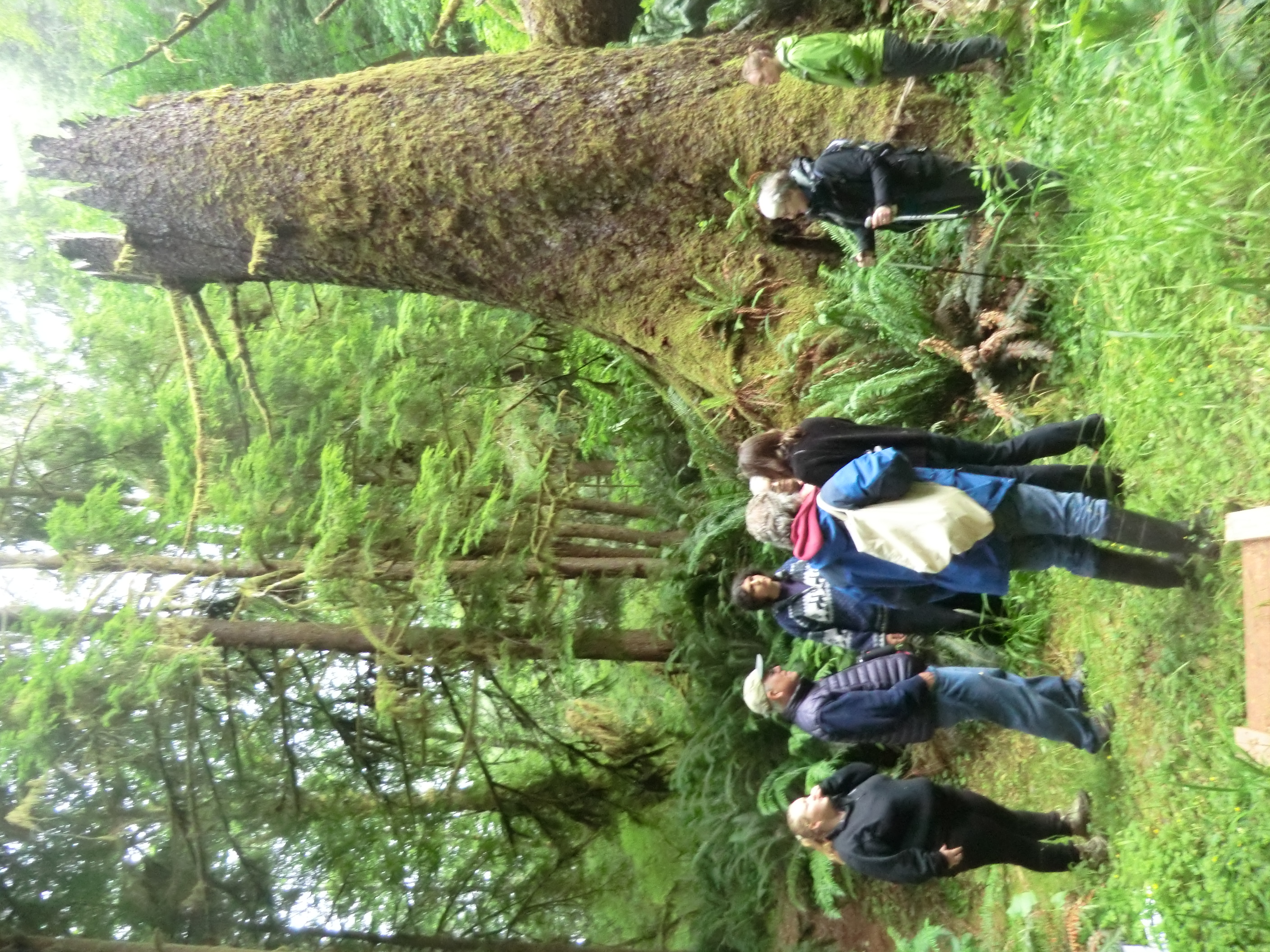
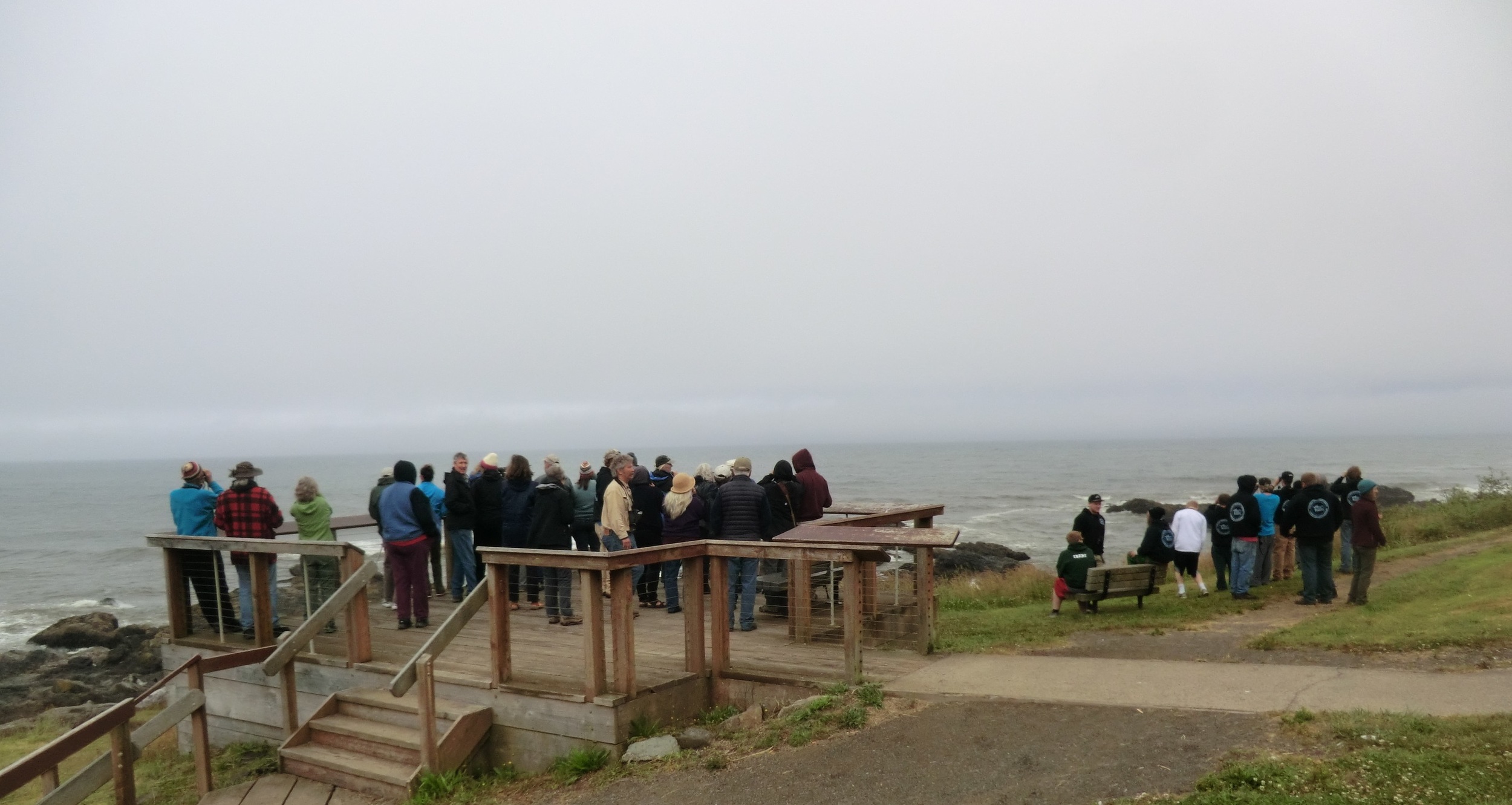
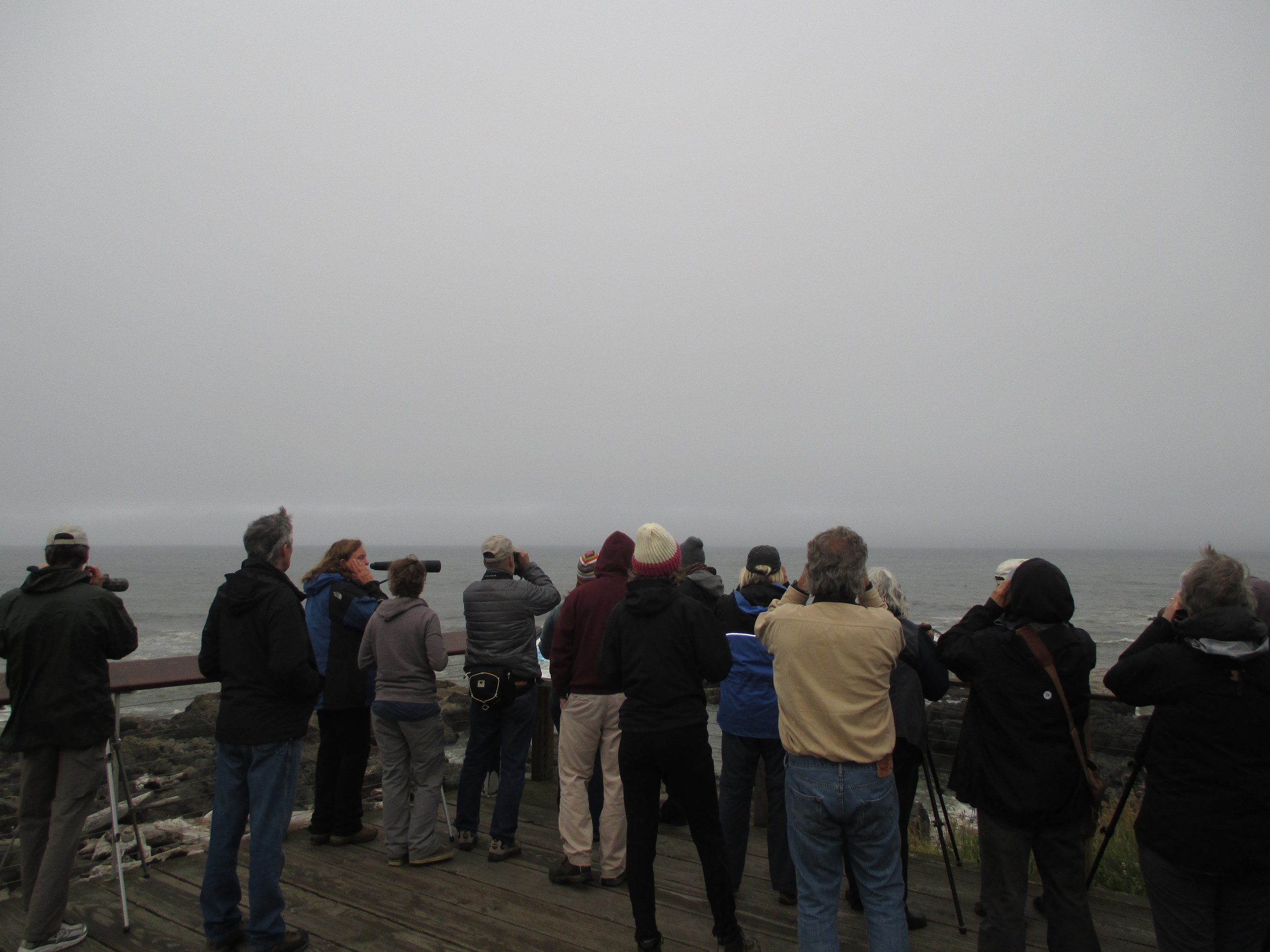
The Marbled Murrelets put on quite a show on the wild central Oregon Coast this week during the Portland Audubon Society's  9th annual Marbled Murrelet citizen survey.

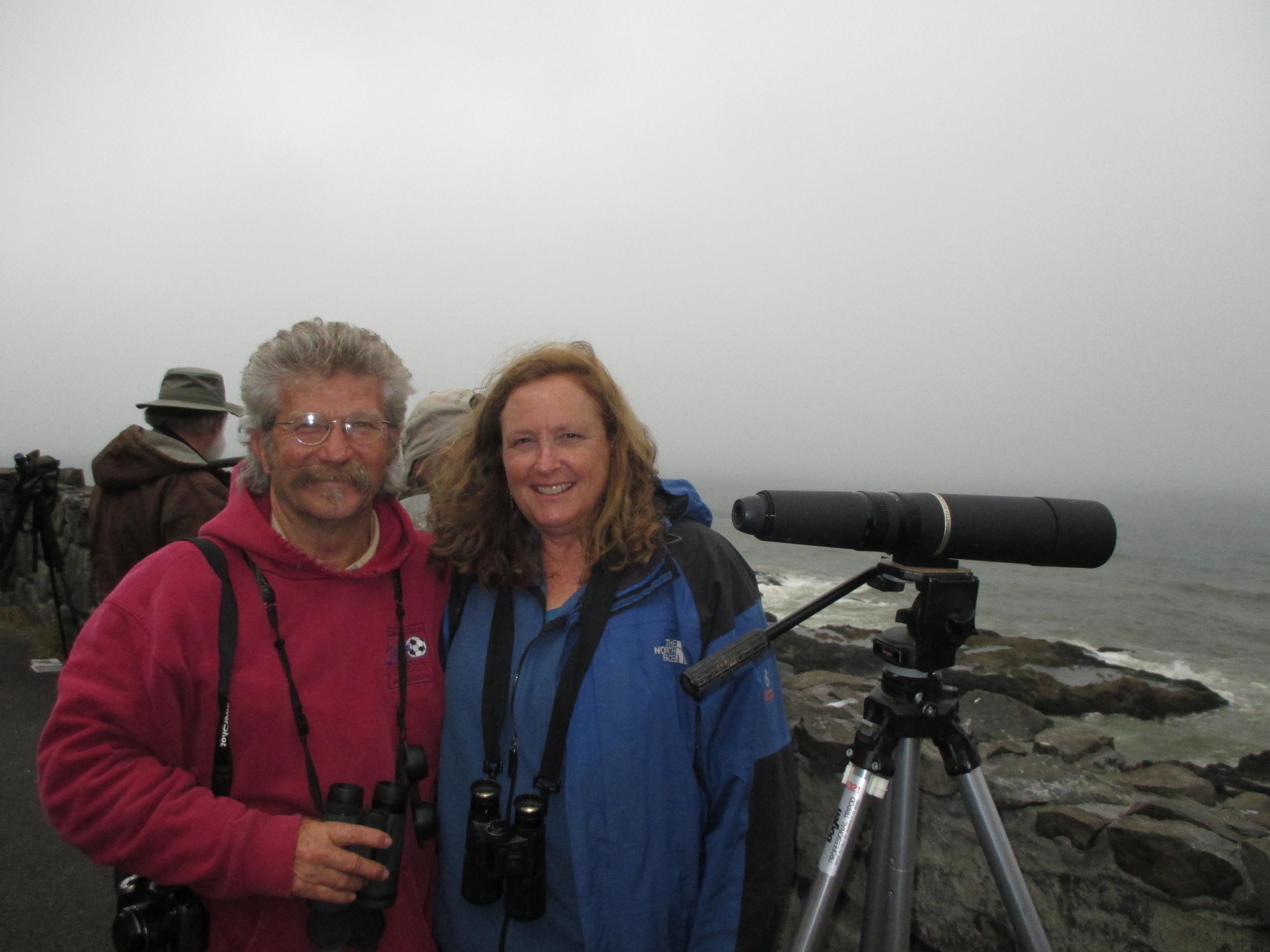
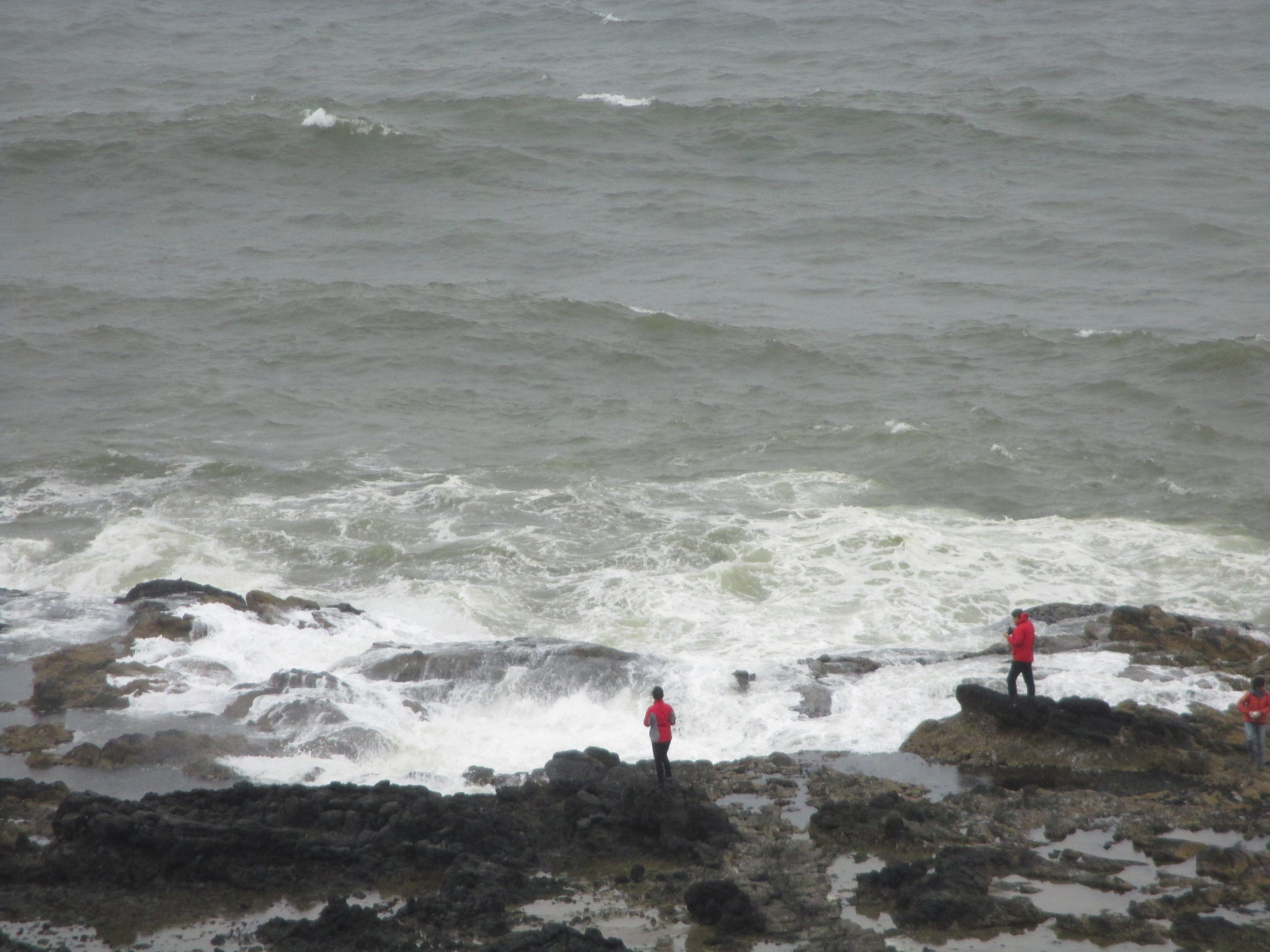
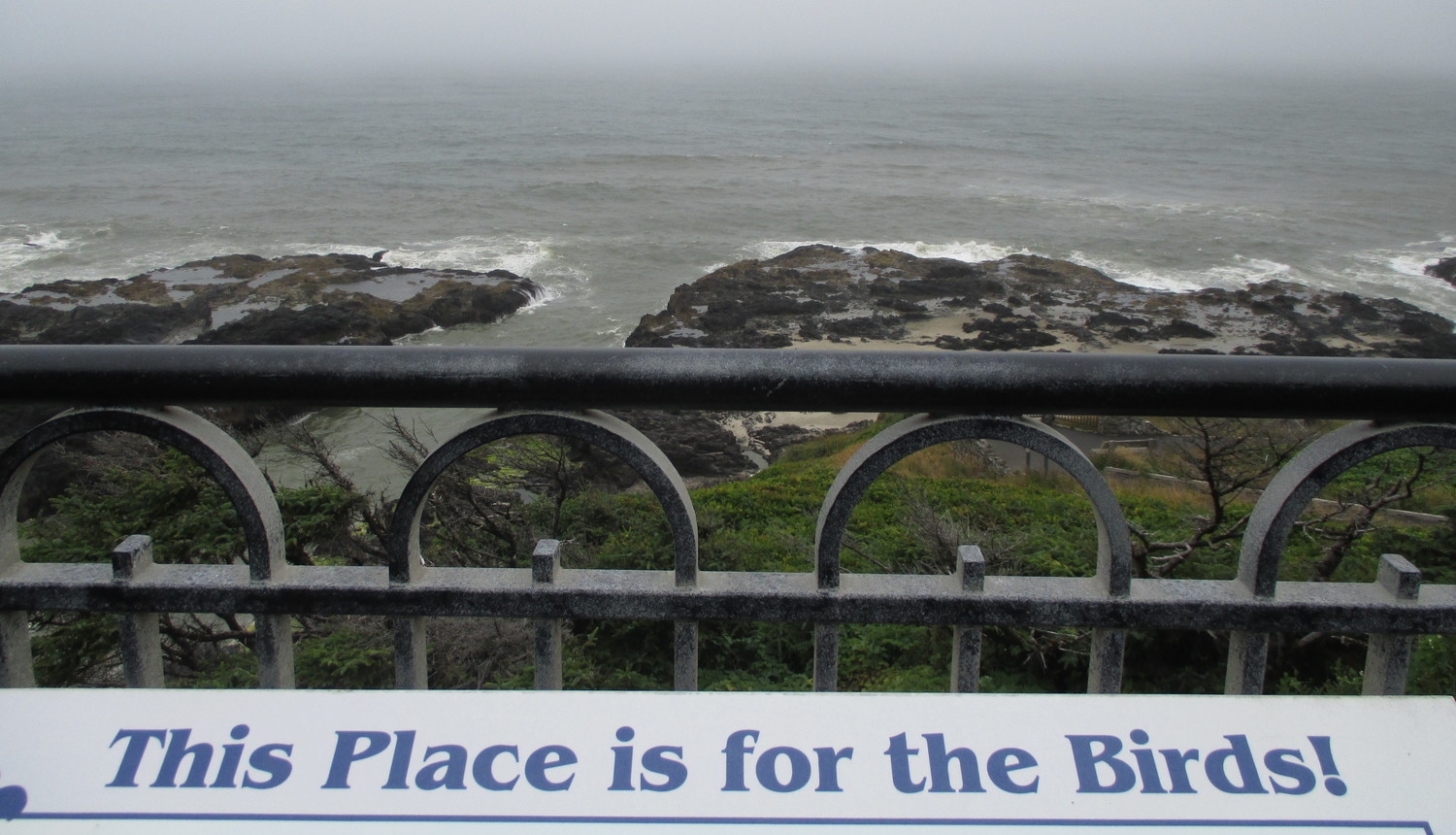
Please hover and click your way through the photo gallery above to see scenes from the morning survey in Audubon's Ten-Mile Creek Sanctuary (where sanctuary manager Paul Engelmeyer lead one of several groups of pre-dawn surveyors) and the coastal area near Yachats where we later observed these fast-flying, forest-nesting seabirds on the water just beyond the breakers (with the help of Kim Nelson, Oregon State University).

You might think that getting up at 4 a.m. is not your cup of tea, but you'll find yourself gulping in every minute of the morning when you are standing in a grassy meadow lighted with fog-diffused moonlight and across the creek from stands of old-growth spruce, hemlock, cedar, and fir. You can feel the life in this sanctuary where the forest is being lovingly restored to balance, where the dawn chorus of thrushes, robins, grosbeaks, and waxwings are so loud you fear they will drown out that cherished keer call of the bird you have come all this way to hear.

Luckily, there is nothing quite like the piercing call of the marbled murrelet. Our group of eight is intent on hearing the call and catching a glimpse of a fast-flying Marbled Murrelet as it flies from the ocean some three miles to the west and the old-growth forest where it are incubating an egg or feeding a chick.

It takes most of us a while to calibrate our ears to high-pitched call and to figure out where exactly to look in homogenous depth of gray fog to look for the tiny fleeting forms of the murrelet. It is easy to mistake mosquitoes and the floaters in your eyes for marbled murrelets.

Thankfully,  the murrelets called loudly, often, and gave us time to find them in the sky. Everyone got the hang of it. While many flew above or in the fog, we did  see many murrelets flying below the fog--in  solo, in pairs, and in groups of four and five. They made their keer calls and the "alternate" or "groan" calls--the one I think sounds like a murrelet impersonating a duck playing a kazoo. They circled over the meadow and behind the trees. They flew silently. They had us pointing, turning, spinning in the meadow. It was spectacular.

Knowing what I know about the marbled murrelet, one glimpse of this bird or one burst of keer calls is more satisfying to me than the experience I had the day before of seeing  thousands of Common Murres just offshore (below).

So common. Just one of the off-shore colonies of Common Murres (and  few cormorants) near the Yaquina Head Lighthouse, Newport, Oregon. You could watch, hear, study, photograph, or paint the 65,000 murres here all day long! (Photo by MM Ruth)

So common. Just one of the off-shore colonies of Common Murres (and  few cormorants) near the Yaquina Head Lighthouse, Newport, Oregon. You could watch, hear, study, photograph, or paint the 65,000 murres here all day long! (Photo by MM Ruth)

Alas, I have no photographs of marbled murrelets flying by, no recording of their calls--just the memory of their flight and the echo of their call to treasure.

Thanks to Paul Engelmeyer, Kim Nelson, the Audubon Society of Portland, and many others for all the work over so many day, months, and years, to make such an experience of a wild bird and a wild forest possible.


Tags Audubon Society of Portland, marbled murrelet survey, Oregon State Parks, Cape Perpetua, Common Murres
Comment

Cloud Poster in PDF

July 4, 2014 Maria Mudd Ruth

Art Rangno has posted a pdf of the 10th edition his popular Guide to the Sky Poster for mass consumption. Printed copies of these beautiful posters, published between 1987 and 2005 are no longer available so this is your chance to enjoy Art's beautiful photographs of clouds and his clear, succinct, and poetic descriptions of the clouds, how they form, and what they mean weatherwise.

Art is a meteorologist formerly in airborne cloud studies at the University of Washington and now lives in Arizona where he has an unobstructed view of the western sky and posts fabulous photographs of the clouds, meteorological news, and fun facts for skywatchers on his website Cloud-Maven.com

It was Art's poster, taped to a closet door, that sparked my interest in clouds in 2008. And, because there are so darn many of them, it has taken me longer than I had planned to write my book about them. I am making progress. Stay tuned!

Tags cloud poster, identifying clouds, clouds
Comment

Give War & Peace a Chance

June 26, 2014 Maria Mudd Ruth

I have apparently been waiting all my reading life for the publication of this book so I could tackle War and Peace properly. I knew I was going to like Andrew Kaufman's latest book from the start: I like how the 219-page book seems lighter than it looks (light=easy reading, right?), I love the cover, I love the clever title, I love the epigraph: 

"To be able to affect others, an artist has to be an explorer, and his work of art has to be a quest. If he has discovered everything, knows everything, and is just preaching or entertaining, he makes no effect. Only if he keeps searching, then the viewer, or listener, or reader fuses with him in his search." (from Tolstoy's diary, December 1900)

And this from page xv:

'"There is nothing stable in life," Tolstoy said when he in his seventies. "It's the the same as adapting to flowing water. Everything--personalities, family, society, everything changes, disappears and re-forms, like so many clouds..."'

Ah, yes, the clouds. It's been a long while--almost a year now--since I abandoned full-time writing my book on clouds to take up the torch for the needy and deserving marbled murrelet after Rare Bird was reissued in paperback by Mountaineers Books. You would think giving book talks would be easy (I wrote the book after all!), but for a closet introvert not practiced in public speaking (for an hour without notes...and with fidgety technology) they took longer than I had planned to prepare. Plus, my talks this round were less a standard author talk and more a conservation talk that required plunging into the nitty-gritty of marbled murrelet management issues. Which is fascinating, complex, and not easy to sum up in the span of a 45-minute talk.

   I was, as it turns out, searching for another story in my talks, the story of how an individual can make a meaningful contribution to saving the marbled murrelets from extinction and the story of what happens when you try. The lines from Tolstoy's diary made me feel good about that story and, I believe, my search contributed to a feeling of fusion with my readers and listeners during my talks.

  So it is in the spirit of searching that I continue my work on the clouds, happy to be discovering what wisdom these unstable atmospheric wonders have to share with us.

  This summer I'm reading Tolstoy and Kaufman side by side while I study the clouds from both sides. From my hammock.


Tags War and Peace, Andrew Kaufman, Give War and Peace a Chance
1 Comment
← Newer Posts Older Posts →

Subscribe

Sign up with your email address to receive my blog in your inbox.

Thank you!
Blog RSS

Flying from Mountaineers Books this Spring—the story of the Pigeon Guillemot—the world’s most charismatic alcid. This non-fiction natural history will be on bookshelves and available from online retailers on April 7, 2026. Click a link below to pre-order a copy now from these purveyors:

Mountaineers Books (non-profit, indie publisher based in Seattle)

Browsers Books (Olympia’s indie bookstore)

Bookshop.org (support your local bookstore)

Barnes & Noble (in the book biz since 1971)

Amazon

Other Natural History Titles by Maria Mudd Ruth…

A Sideways Look at Clouds


“Compelling…engaging.” The Library Journal

“Rare insights into the trials and joys of scientific discovery.” Publishers Weekly

Read more reviews and details here: Rare Bird: Pursuing the Mystery of the Marbled Murrelet

Enjoy this song by Peter Horne, "Little Bird, Little Boat, Big Ocean.” Written about the Marbled Murrelet, but the lyrics work well for the Pigeon Guillemot, too.


  • Clouds
  • Natural History
  • Open-water Swimming
  • Lake Swimming
  • Washington Lakes
  • Wild Swimming Washington
  • Pacific Northwest Clouds
  • Books on Clouds
  • Meteorology
  • Wild Swimming
You must select a collection to display.

Subscribe

Sign up with your email address to receive my blog in your inbox.

Thank you!
Blog RSS

©2025 MARIA MUDD RUTH  |  ALL RIGHTS RESERVED