• Home
  • The Bird with the Flaming Red Feet
  • Rare Bird: Marbled Murrelet
  • A Sideways Look at Clouds
  • Author
  • Events
  • Blog
  • Contact
Menu

Maria Mudd Ruth

Street Address
City, State, Zip
Phone Number
author and naturalist
Homepage-Banner.jpg

Maria Mudd Ruth

  • Home
  • Books
    • The Bird with the Flaming Red Feet
    • Rare Bird: Marbled Murrelet
    • A Sideways Look at Clouds
  • Author
  • Events
  • Blog
  • Contact

Sideways Plus #6 +Droplets+

April 3, 2018 Maria Mudd Ruth
Nimbostratus.jpg

Here is installment number 5 for A Sideways Look at Clouds--an excerpt and supplemental content for each chapter of my book you to enjoy. Click these links to  the first five: Prologue /Cloud /Visible / Mass / Water

Each chapter of my book covers one term in the definition of a cloud: a visible mass of water droplets or ice crystals suspended in the atmosphere above the earth. This fourth posting covers the chapter on Water.

"First things first: cloud droplets are not teardrop-shaped. They are tiny, spherical balls or globes. Raindrops are not teardrop-shaped either. Small raindrops are spherical and large ones are shaped like hamburger buns--flat on the bottom and slightly convex on the top. Even human tears are not teardrop-shaped. When they appear (in our eyes and on our cheeks) they are shaped like puddles and rivers. The only time water droplets naturally assume the teardrop shape is wen, as a collection of many droplets, they drip from a leaky faucet."

Understanding the shape of water is no easy task. The most difficult chapter of my book to write and the one that required the deepest plunge into atmospheric science and physics, was the chapter on droplets. What made the droplets of water in clouds different from other water in the atmosphere? Was it a matter of droplet size? Was it something in the droplet?  What was the difference between the water in the cloud and the water next to the cloud in the blue sky?
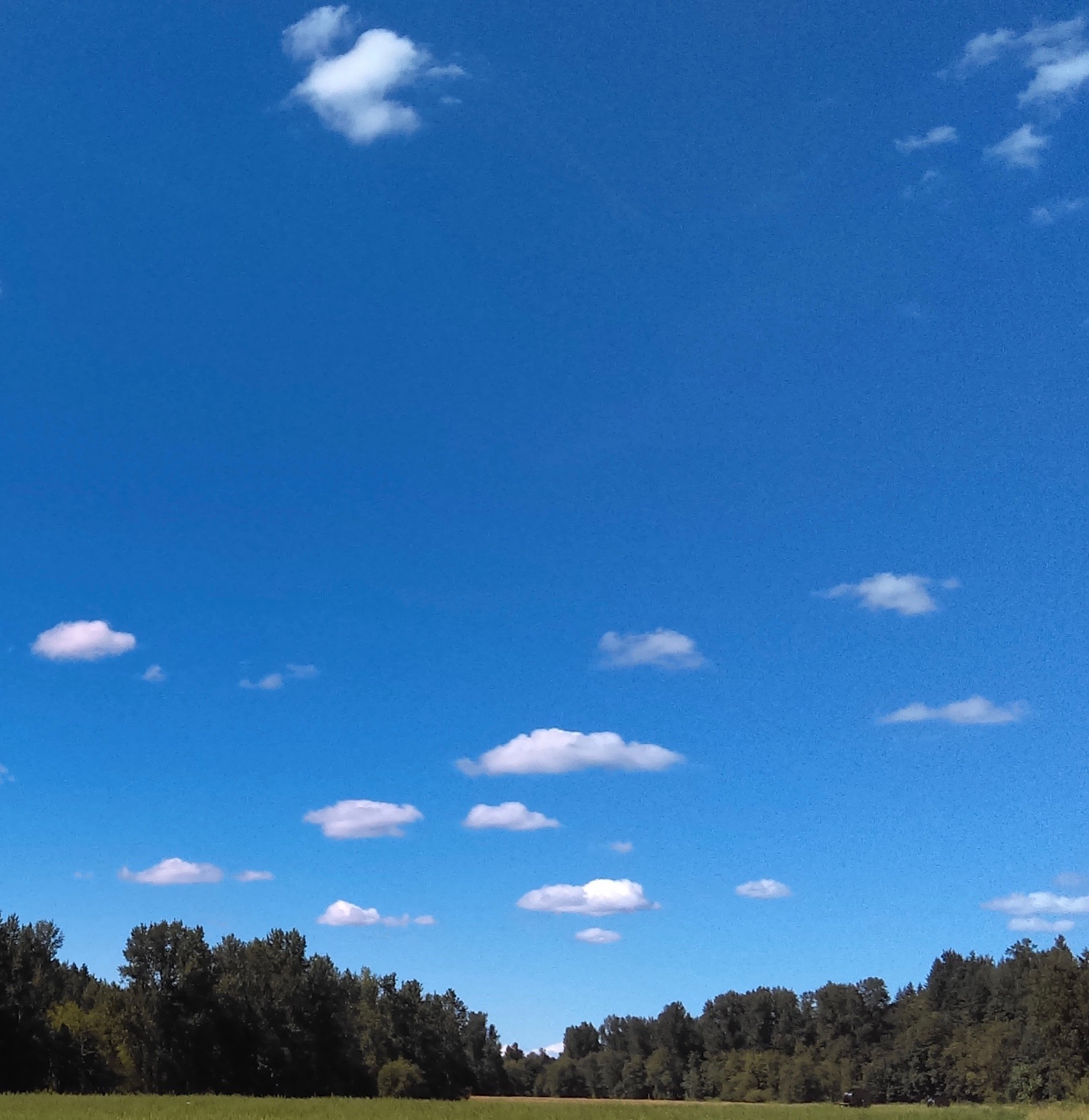
Water water everywhere...These small clouds (cumulus humilis) are composed of liquid water droplets. The blue sky around the clouds contains anywhere from zero to four percent (by volume) of invisible water vapor--molecules of water too small to be …

Water water everywhere...These small clouds (cumulus humilis) are composed of liquid water droplets. The blue sky around the clouds contains anywhere from zero to four percent (by volume) of invisible water vapor--molecules of water too small to be considered droplets, too small to scatter sunlight toward our eyes so we see a watery whiteness that is a cloud.

A droplet is a collection of enough water molecules to scatter sunlight and become visible to the naked eye. "Enough" is billions of water molecules (H20), which adds up to between 2 and 200 micrometers (one micrometer is 1/50th the diameter of a human hair). This is significantly larger than the wavelengths of visible sunlight hitting those droplets. Those wavelengths are between 0.4 and 0.7 micrometers.

These numbers did not help me understand the magic of the cloud droplet so I spent an afternoon at the Atmospheric Science Department's outreach office at the University of Washington in Seattle. Here, with the help of a very patient grad student, I plunged deeper and deeper into the vastly tiny world of the droplet...down into to the molecule...down into the hydrogen atom...the oxygen atom...the subatomic particles...and lots of squirmy lines and dashes that represent energy moving through the atmosphere. 

Understanding what a "droplet" was led me to The University of Washington where I reached a deep understanding of how much I didn't not understand. 

Understanding what a "droplet" was led me to The University of Washington where I reached a deep understanding of how much I didn't not understand. 

The human brain isn't very good at imagining the very huge or the very small. So holding the idea of a cloud and the subatomic world of the water droplets in that cloud simultaneously  in my mind's eye was stupefying. It was as if my brain simply shut down (perhaps to prevent it from exploding). Over the years, I have kept at it. I watch the clouds and try to grasp the fact that some are stretching across the landscape for several thousand of square miles or are reaching heights of 47,000 feet. And then I try to imagine the unimaginable quantity of droplets--all the little tiny spheres of water--in those clouds. 

This is much easier to do when you are walking in the fog, which I hope you do. Though you may not get a sense of the size of the mass of fog you are walking in, you will be able to see the liquid water droplets floating in the air around you. Notice there is space between them--that's the water vapor, the invisible form of water. 

In each of the ten chapters of A Sideways Look at Clouds, I discuss one of the ten official cloud types. Altostratus appears in the "Droplets" chapter. Though this mid-level layer cloud is considered "boring," it is fascinating in its own right. This cloud is composed primarily of frozen water--ice crystals and snowflakes--and may even have liquid-droplet clouds embedded within it. This cloud is typically more than 6,500 feet thick and spread over several thousands of square miles. It is not a precipitating cloud (that's the lower Nimbostratus) and is very useful 

This is an Altostratus translucidus (translucent enough to reveal the position of the sun, but thick enough to block it from creating shadows). The patches and shreds of lower gray clouds (possibly stratus fractus, or scud) would be white if th…

This is an Altostratus translucidus (translucent enough to reveal the position of the sun, but thick enough to block it from creating shadows). The patches and shreds of lower gray clouds (possibly stratus fractus, or scud) would be white if the Altostratus weren't present. 

Though this mid-level layer cloud is considered "boring," it is fascinating in its own right. This cloud is composed primarily of frozen water--ice crystals and snowflakes--and may even have liquid-droplet clouds embedded within it. This cloud is typically more than 6,500 feet thick and spread over several thousands of square miles. It is not a precipitating cloud (that's the lower Nimbostratus) and is very useful for improving your photography. These clouds are thick enough to prevent the sun from casting shadows and so create a soft, filtered kind of light that is ideal for avoiding squinty selfies, capturing detail and texture of small things in nature (flowers, insects, leaf veins), and waterfalls. 
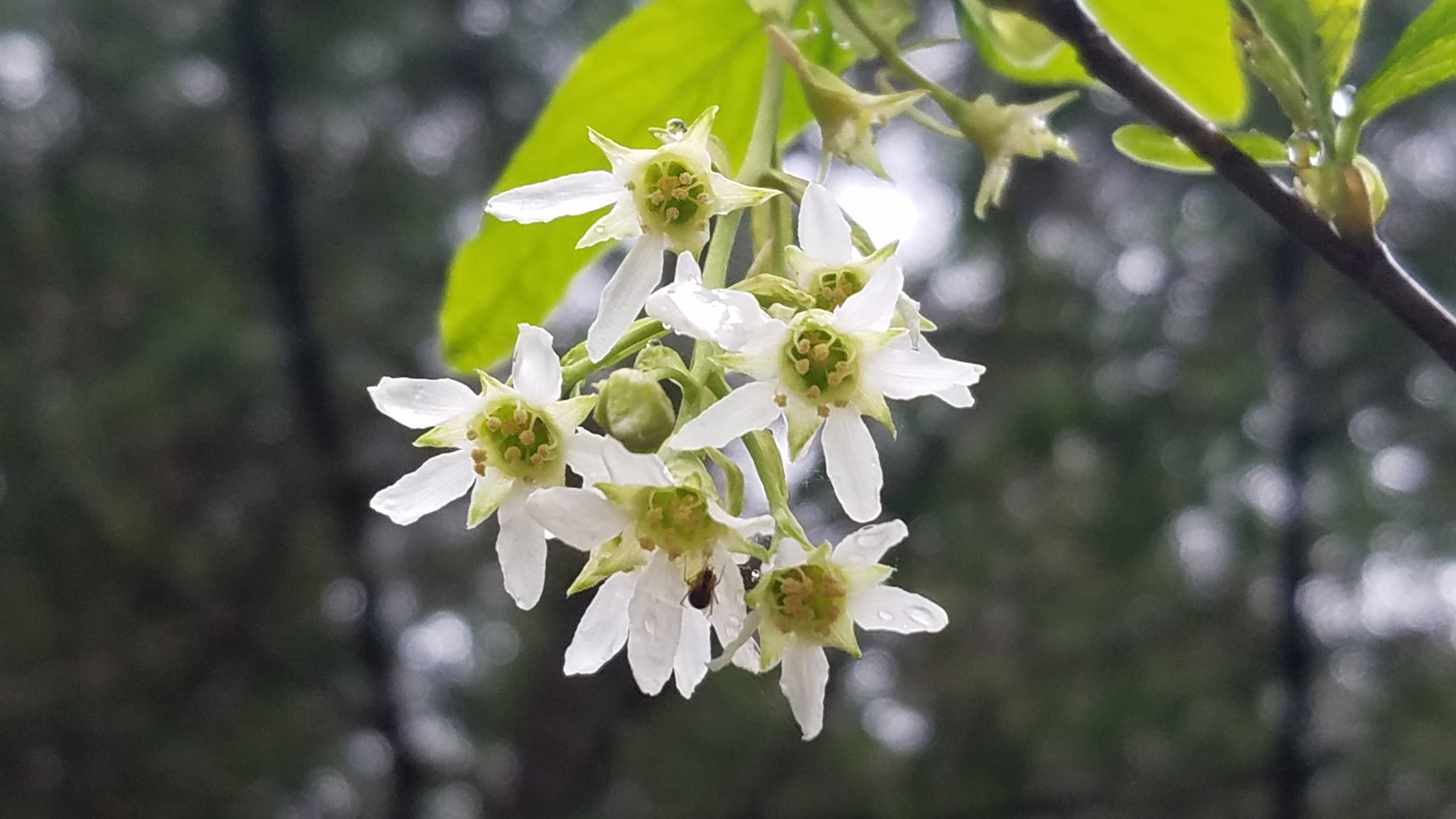
Don't wait for a sunny day to get out in nature with your camera. Altostratus clouds allow for great upclose photos. Here, our native Osoberry blossoms shelter a tiny spider as an umbrella. Doesn't it know that Altostratus don't rain?
Don't wait for a sunny day to get out in nature with your camera. Altostratus clouds allow for great upclose photos. Here, our native Osoberry blossoms shelter a tiny spider as an umbrella. Doesn't it know that Altostratus don't rain?

In Clouds, Books on Clouds, Maria Mudd Ruth, Natural History, Pacific Northwest Clouds Tags A Sideways Look at Clouds, cloud droplets, altostratus clouds
Comment

Sideways Plus #5 +WATER+

February 26, 2018 Maria Mudd Ruth
IMAG1403.jpg

Here is installment number 5 for A Sideways Look at Clouds--an excerpt and supplemental content for each chapter of my book you to enjoy. Click these links to  the first four: Prologue /Cloud /Visible / Mass

Each chapter of my book covers one term in the definition of a cloud: a visible mass of water droplets or ice crystals suspended in the atmosphere above the earth. This fourth posting covers the chapter on Water.

"Each of our ten cloud types contains two or three forms of water simultaneously--vapor, water droplets, and ice crystals. The combination varies between the cloud types and changes over the lifetime of an individual cloud....water molecules are moving fluidly between vapor, liquid, and solid phases. Change is occurring at he largest and smallest scales--from the overall mass of the cloud to atoms within it. Even clouds that seem stationary or slow-moving are in perpetual molecular turmoil. A cloud is a visible mass of zinging, bouncing, jiggling, and darting. A cloud is a moon bounce, a pinball machine, a beehive, a mosh pit of water."

One of the most difficult things to realize is that water vapor in our atmosphere is invisible the naked eye and that the water we can see in the form of a cloud is liquid water or solid water (ice). It is easy to think vapor is the same as steam, but it isn't. Steam is liquid water droplets. Thanks to the Geostationary Operational Satellite System (GOES), you can see otherwise invisible water vapor imagery  here. A fine example of water vapor over the continental U.S. can be seen here via mp.4. 

Another challenge in trying to visualize all that water in clouds is the shape of the water droplets. Liquid water droplets are spherical. In the form of raindrops they may be spherical or even hamburger-bun shaped. Ice crystals appear in many beautiful iterations of the hexagonal structure of interlocking water molecules. 

Water droplets are never never never shaped like "Mr. Drippy"

Water droplets are never never never shaped like "Mr. Drippy"

Nor are water molecules ever shaped like Mickey Mouse. 

Nor are water molecules ever shaped like Mickey Mouse. 

27196-050-866192E1.jpg

Clouds are made of water and dirt. This came a surprise to me because the clouds do not look dirty. Our atmosphere is full of microscopic particles (too many to list here), some which form the perfect surface for water vapor molecules to condense on (the way it does on a blade of grass on a dewy morning for on the side of a cold soda can on a hot and humid summer day). These particles are known as "condensation nuclei" and are at the heart of every cloud droplet. After a rain, these particles are "washed" out of the atmosphere and leave the air feeling fresh and clean. 

Screen Shot 2018-02-26 at 9.08.48 AM.png

One of the most spectacular forms of the altocumulus cloud is this species known as altocumulus lenticularis. Here (below) there are several of these "lenticulars" or "lennies" as they are known by the cloud cognoscenti. These are hovering over Mt. Rainier where they are commonly seen (though not always as spectacularly as this example). This is a type of mid-level cloud (mid is between 6,500 and 23,000 feet) that forms in the lee of a prominent mountain or mountain range; warm, moist water vapor is forced to rise over a mountain barrier and, as it does so, it cools and condenses--becoming a visible, lens-shaped cloud. As it passes descends on the leeward side, the cloud warms and evaporates. The pattern of ascending and descending air established by the mountain continues downwind, creating a series of pennies.

Screen Shot 2018-02-26 at 9.10.08 AM.png

I have never seen a lennie as dramatic as the one above, but this cap cloud (below) hugging Mt. Rainier one August afternoon provided more beauty, comfort, and solace than any cloud I have ever experienced. 

mt rainier.jpg

As did this layer of altocumulus clouds that came to my rescue when it caught a "glory"--an optical phenomenon associated with water droplet clouds. For more images of glories (so you can recognize them from your airplane window seat, check out the photos on EarthSky.

20180207_113703.jpg

Next up: Sideways #6: +DROPLETS+

In Clouds, Books on Clouds, Meteorology, Maria Mudd Ruth, Pacific Northwest Clouds, Natural History Tags Sideways Plus, A Sideways Look at Clouds, altocumulus clouds, glories, altocumulus lenticularis, cap clouds, water molecules, water vapor, water in clouds, water vapor imagery
Comment

What birds? Look at the clouds!

January 25, 2018 Maria Mudd Ruth
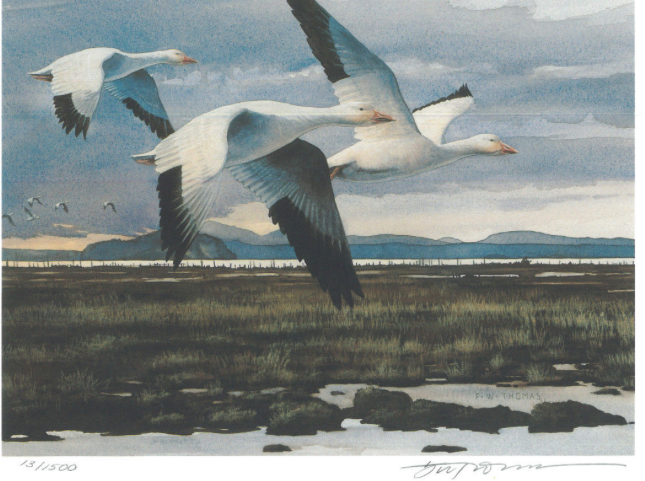
This is the artwork used for the 1993 Washington Duck stamp by artist Fred Thomas. Nice snow geese, but look at those lovely, moody, brooding stratocumulus clouds!

This is the artwork used for the 1993 Washington Duck stamp by artist Fred Thomas. Nice snow geese, but look at those lovely, moody, brooding stratocumulus clouds!

I read with great interest an article in the Skagit Valley Herald that the Economic Development Alliance of Skagit County (EDASC) and Skagit Audubon Society (where I'll be speaking about clouds on February 13) are teaming up to draw as much attention to the wintering flocks of snow geese, swans, eagles as to the county's fields of tulips in springtime.

The Economic Development Alliance is trying to make the most of the downtime in the tourism season--mid-January through the end of February to boost the local economy.  Biirders and tulip-gazers all need to eat, warm up, shop, fuel up, and sleep somewhere, right?

Truly, Skagit County is a fabulous place for birdwatching. And cloud watching. My experience of this million-acre county is mostly from the car en route to and from Bellingham. At freeway speeds, the birds are just dots in the fields in the broad, fertile floodplain of the Skagit River. Oh but the sky and the clouds! This is Big Sky Country and you get horizon-to-horizon views in several directions at once, with the clouds appearing in many forms at once between the Cascades to the east and the San Juan Islands to the west. When the clouds are just right (as they often are in Skagit County), the sunsets are less about looking west than about looking in all directions to see the dazzling, luminous glory surrounding you.

So if you're heading to Skagit County for the birds (and you certainly should) make sure you look at what's behind and above the birds. You don't even need binoculars or a spotting scope to enjoy the clouds.

Thought the Economic Development Alliance of Skagit County hasn't gotten the cloud bug yet or realized the potential of the clouds to lure droves of birdwatchers and tulip gazers to this beautiful part of Washington, I'll be singing the clouds' praises on February 13 at  7 p.m. at the Skagit Audubon Society when I'll be doing a program on my book, A Sideways Look at Clouds.

The program is free and open to the public. 7:00 Social; 7:30 Program. Padilla Bay Interpretive Center, 10441 Bayview-Edison Road, Mt. Vernon, Washington. 

Meanwhile, please check out the Birds of Winter programs in Skagit County. There's one this weekend (January 27-28) in La Conner. You can enjoy programs by fellow Mountaineers Book author and award-winning photographer Paul Bannick and biologist Martha Jordan of the Northwest Swan Conservation Association. 

And always take a moment to look up at the clouds!


In Clouds, Books on Clouds, Maria Mudd Ruth, Natural History, Pacific Northwest Clouds Tags Skagit County, Skagit County Washington, Skagit Audubon Society, Economic Development Alliance of Skagit County, Clouds in Skagit County, Birdwatching in Skagit County
Comment

"Sideways" on Tour

November 6, 2017 Maria Mudd Ruth
Because the Pacific Northwest isn't cloudy enough...

Because the Pacific Northwest isn't cloudy enough...

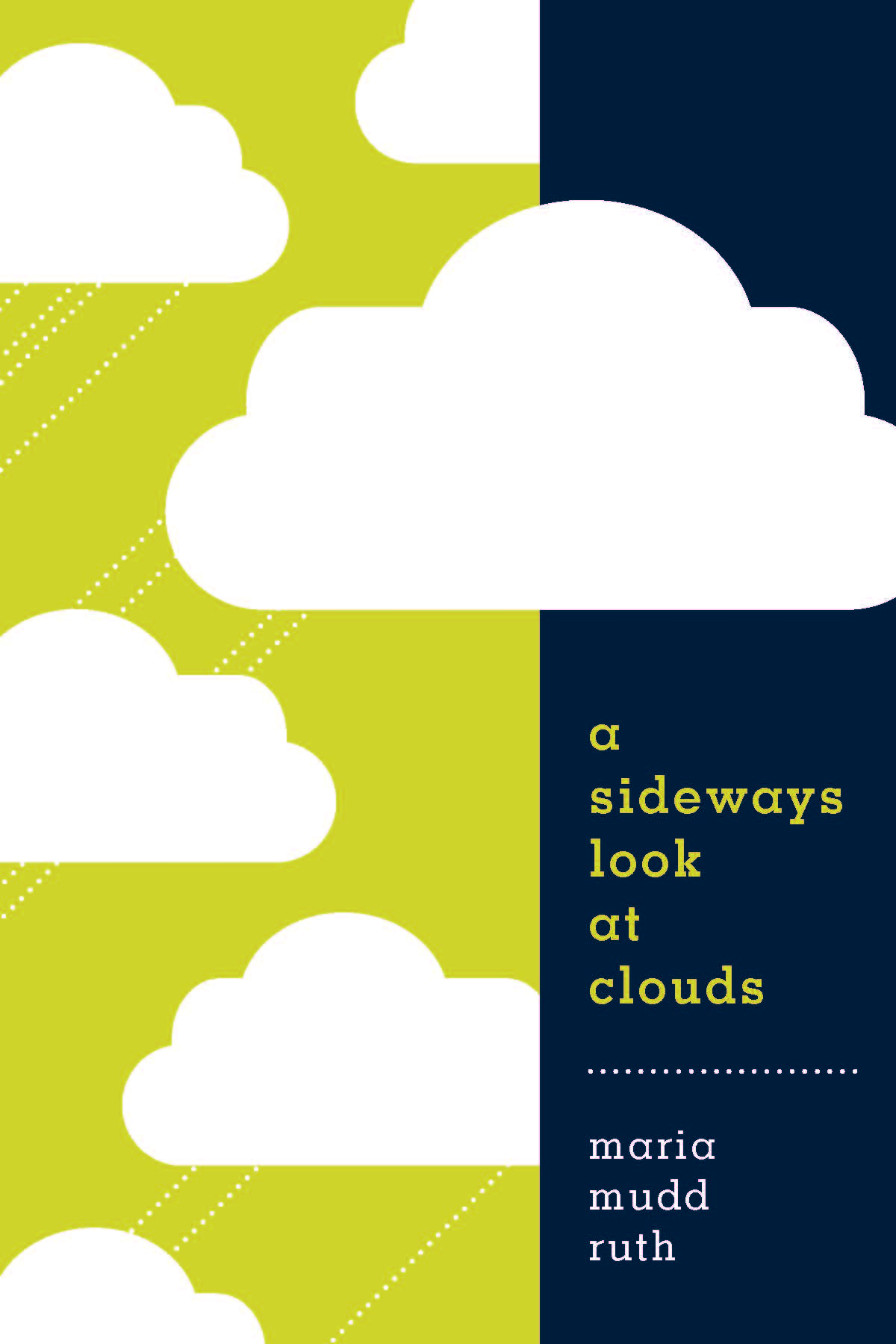
As if on cue, the clouds returned to the Pacific Northwest as Mountaineers Books' released my new book, A Sideways Look at Clouds. The clouds never do anything on cue, so their timing is notable here. (Even stranger, Hurricane Maria made landfall as I was starting my book tour).

The clouds have been dramatic this fall and I've been on the road encouraging readers to look up and enjoy the every-changing drama in the skies at bookstores and other venues in Olympia, Seattle, Bellingham, Marysville, Kirkland, Portland, and Washington, DC. (Check out my events calendar for upcoming talks and book signings).

More than talking about my book and sharing some of my photos of the spectacular clouds we have in the Pacific Northwest, I've loved answering their questions about clouds: How exactly does it rain? When is a cloud a "cloud" and when do you call them "clouds?" Why do we have so many clouds here? What's the deal with high and low pressure? Are clouds changing? I am going to create a FAQs page to answer all of these and more.

I've also loved hearing people's stories about clouds. Here is one story (handwritten) and delivered to me at the 2017 Pacific Northwest Booksellers Association (PNBA) trade show by Mary Anne Fraser, manager of Brilliant Moon books in Shelton.

"100 years ago, when I'd just turned twelve, I spent met hard-earned babysitting wages on a small Kodak camera. Within an hour the complete roll was filled and my mom (knowing how excited I'd been about this long-awaited purchase) offered to take the roll to our local "Pay and Save" to have my photos developed.
The week-long wait was finally over and I ran to the car to discover what my new hobby had delivered. Before I could open the obviously already opened packet, my mom said to me in a rather disappointed voice: "They're all clouds."
I looked at her, waiting for the rest of the observation ("They're beautiful." "I love the one that looks like an otter." "What an artist's eye you have.") but, alas, that was the sum total of her opinion.
I, on the other hand, was thrilled. Yes, they WERE all clouds."

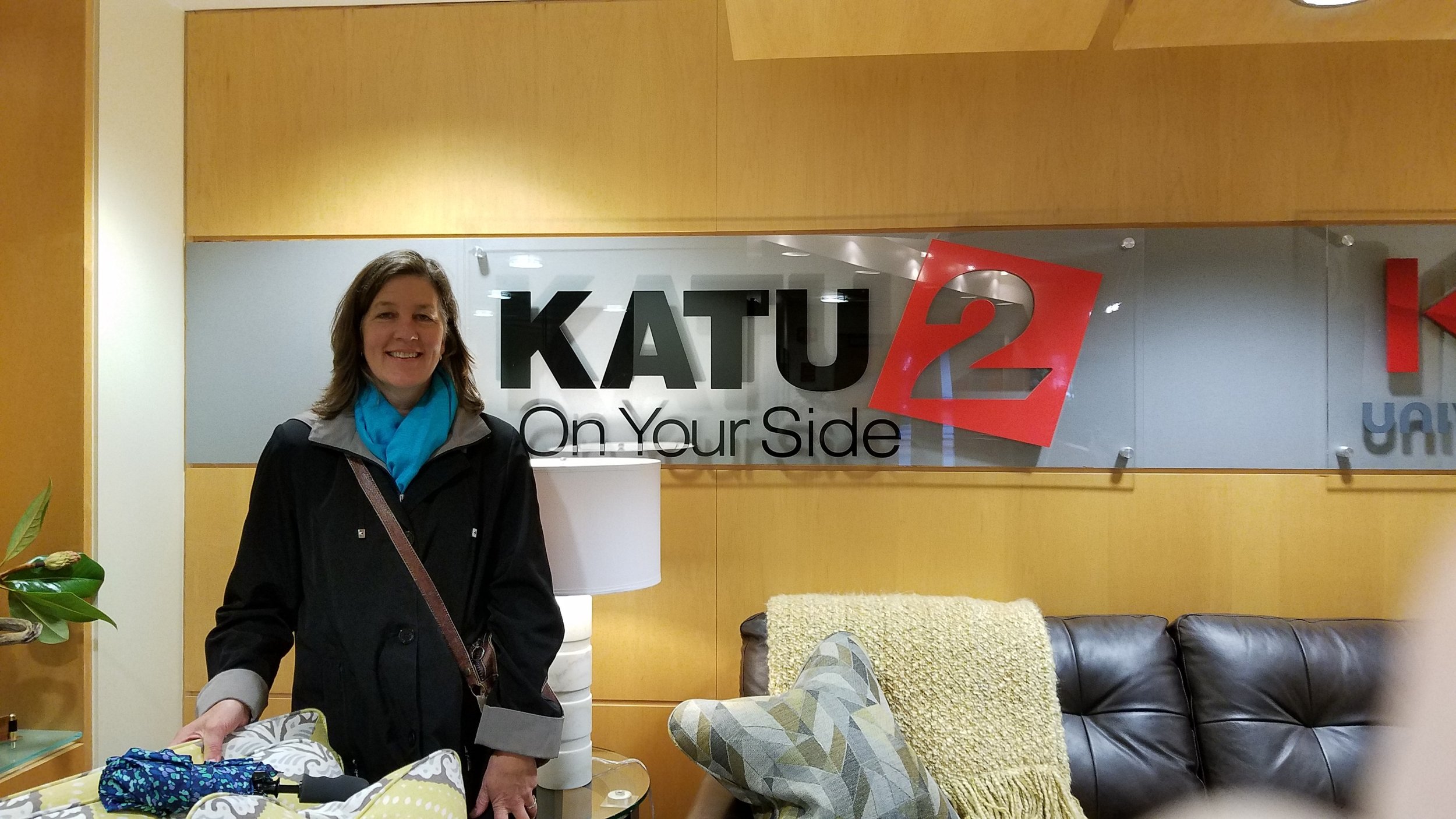
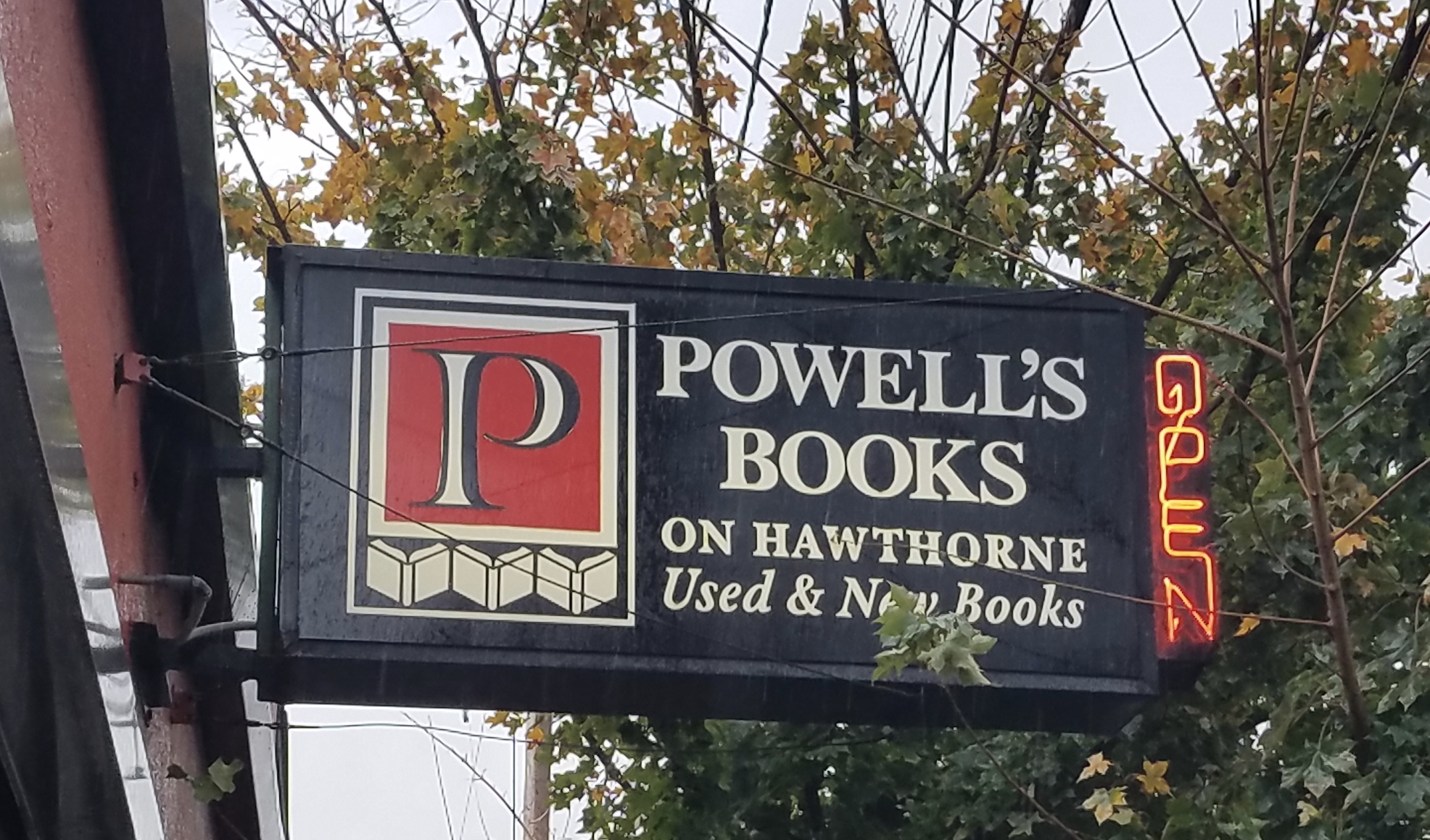
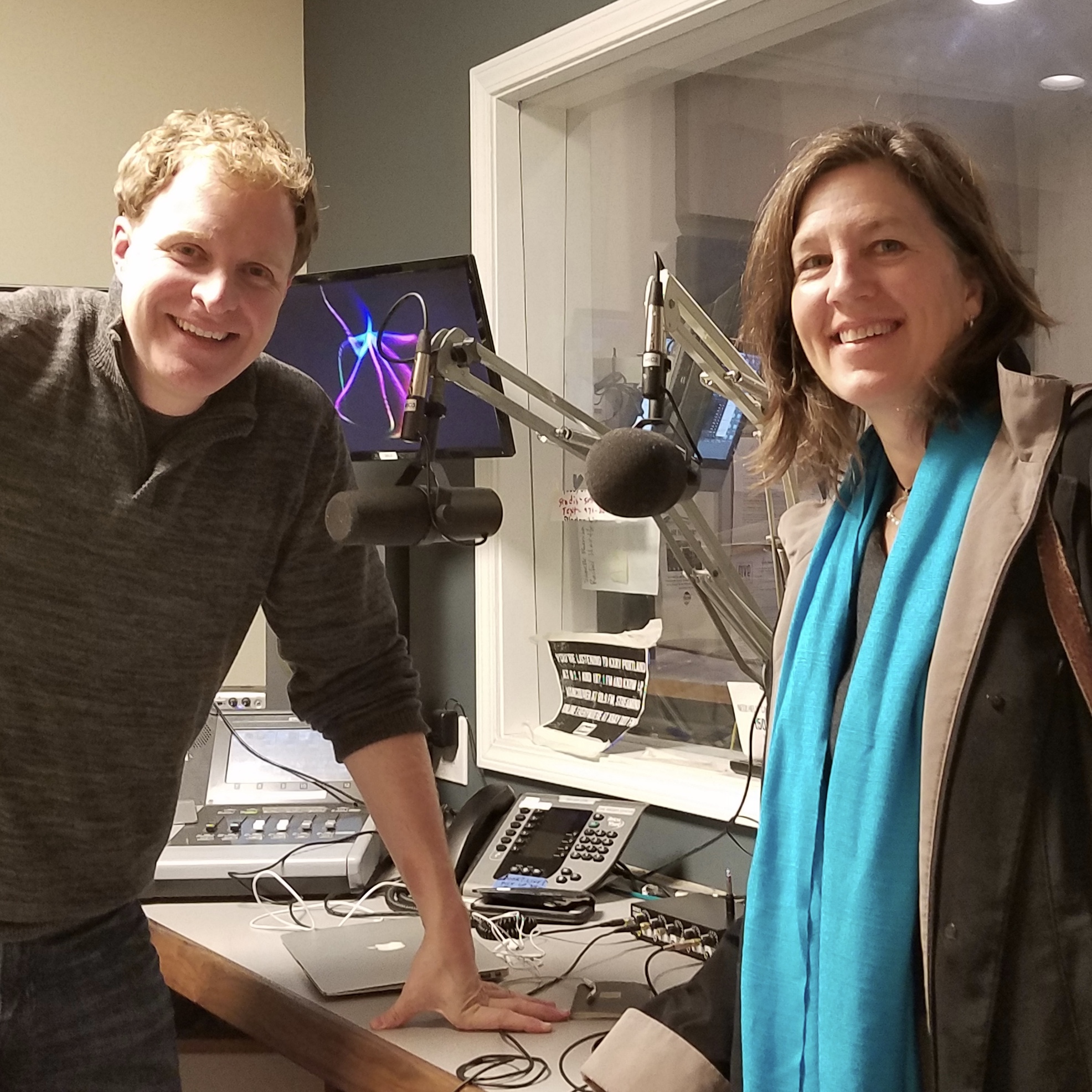
While in Portland, I visited KATU-TV to talk with Helen Raptis on "AMNW" and Tra'Renee Chambers on "Afternoon Live" and also with Jefferson Smith, host of "XRAY in the Morning" (skip to 1:54:48) before my talk at Powell's on Hawthorne

SidewaysLookClouds_cover draft copy.jpg
20171102_153905_001.jpg
Screen Shot 2017-11-02 at 10.50.29 AM.png
Screen Shot 2017-11-05 at 12.52.37 PM.png
20171031_164434.jpg
20171102_122524.jpg
20171102_090737.jpg
Screen Shot 2017-11-02 at 11.14.18 AM.png

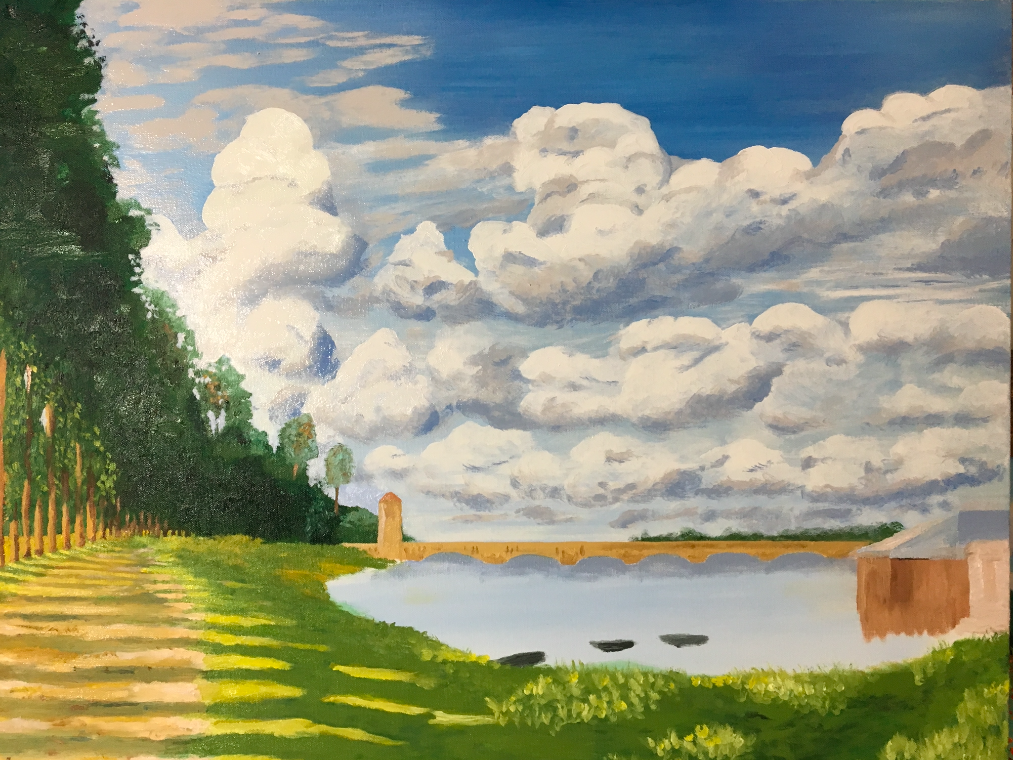
After my interview on "Afternoon Live," the on-set photographer, Mark Plut, showed me photographs of his two recent paintings--of clouds!  "I too am fascinated by clouds," Mark told me, "especially how to paint them." In the first painting, Mark as painted a sky washed with what look like cirrostratus clouds to me. In the second painting, the landscape is transformed by more dynamic cumulus and altocumulus clouds. What a difference, eh? Thank you, Mark!

Screen Shot 2017-11-06 at 4.59.03 PM.png
Screen Shot 2017-11-06 at 4.58.39 PM.png

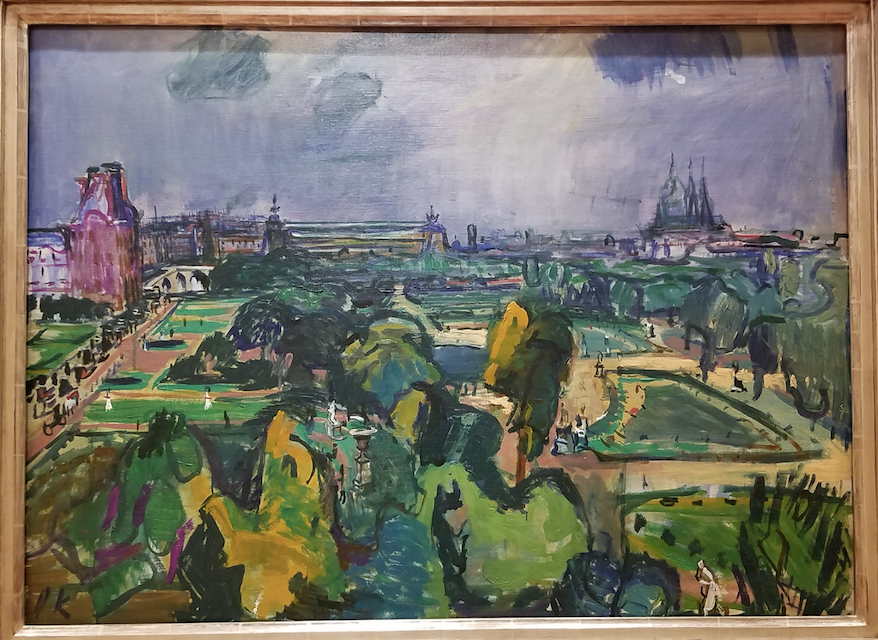
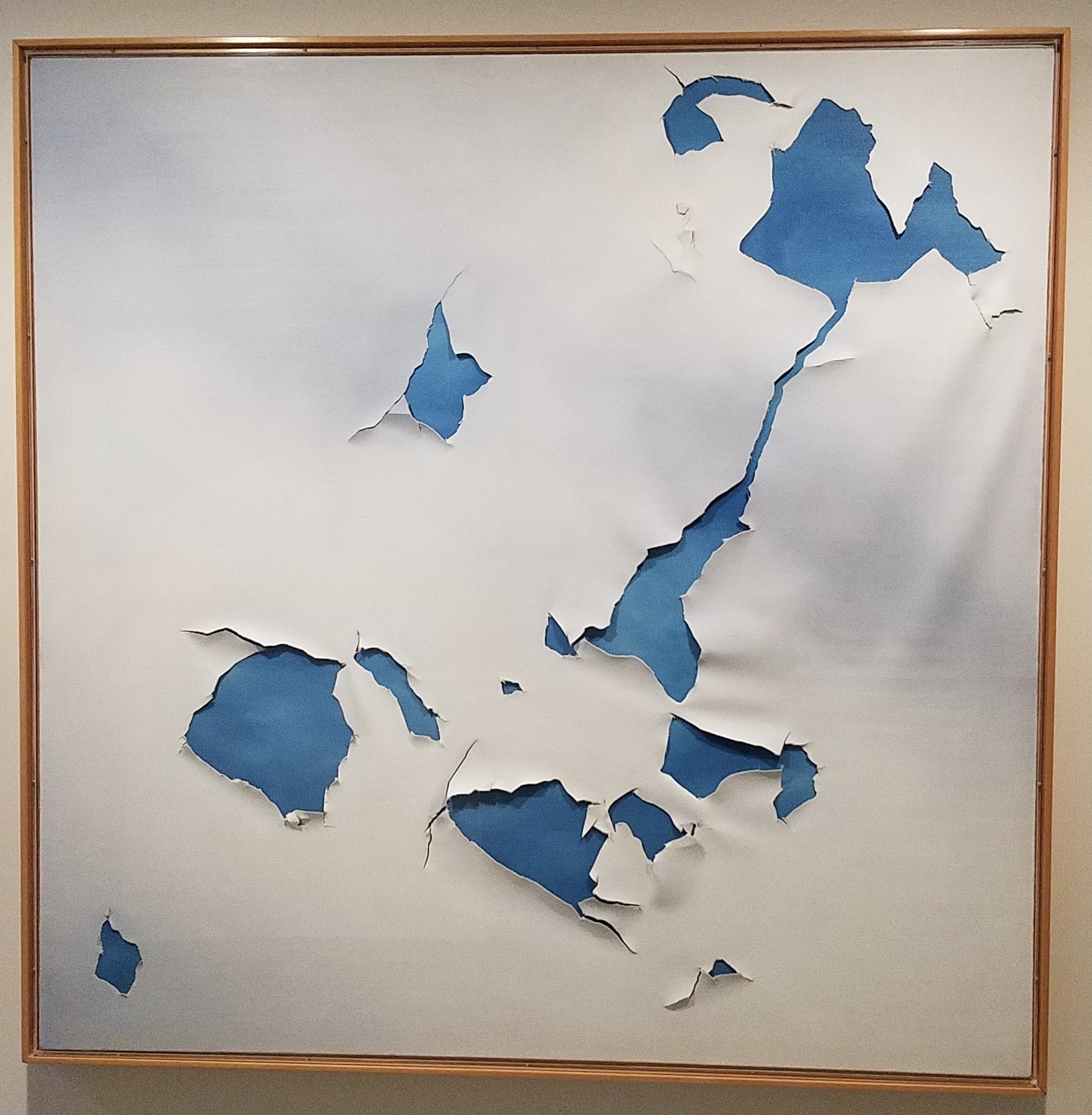
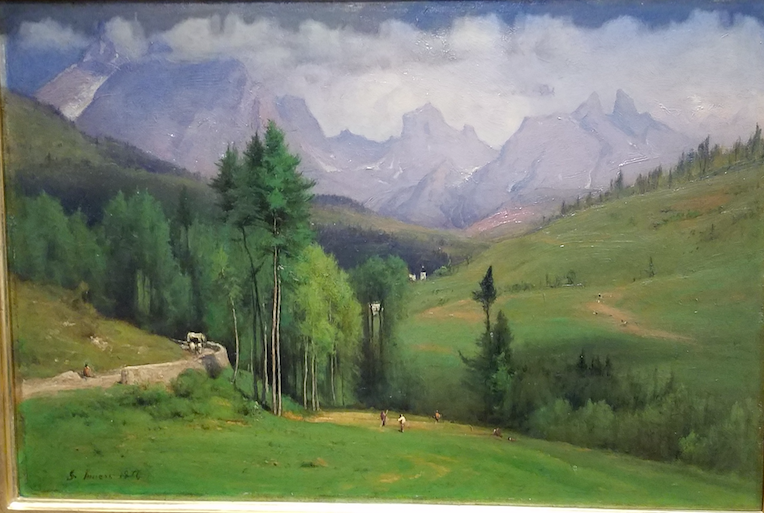
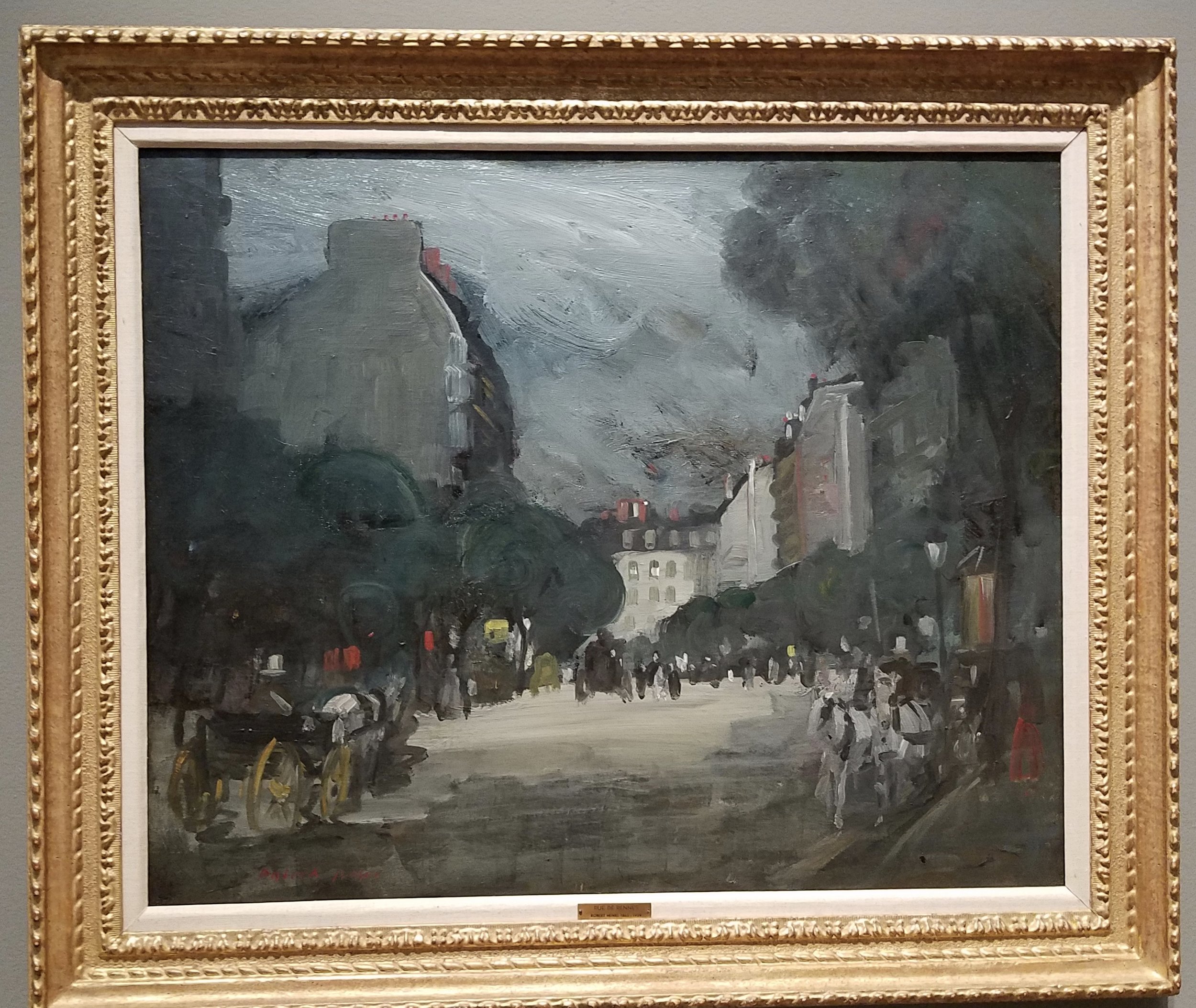
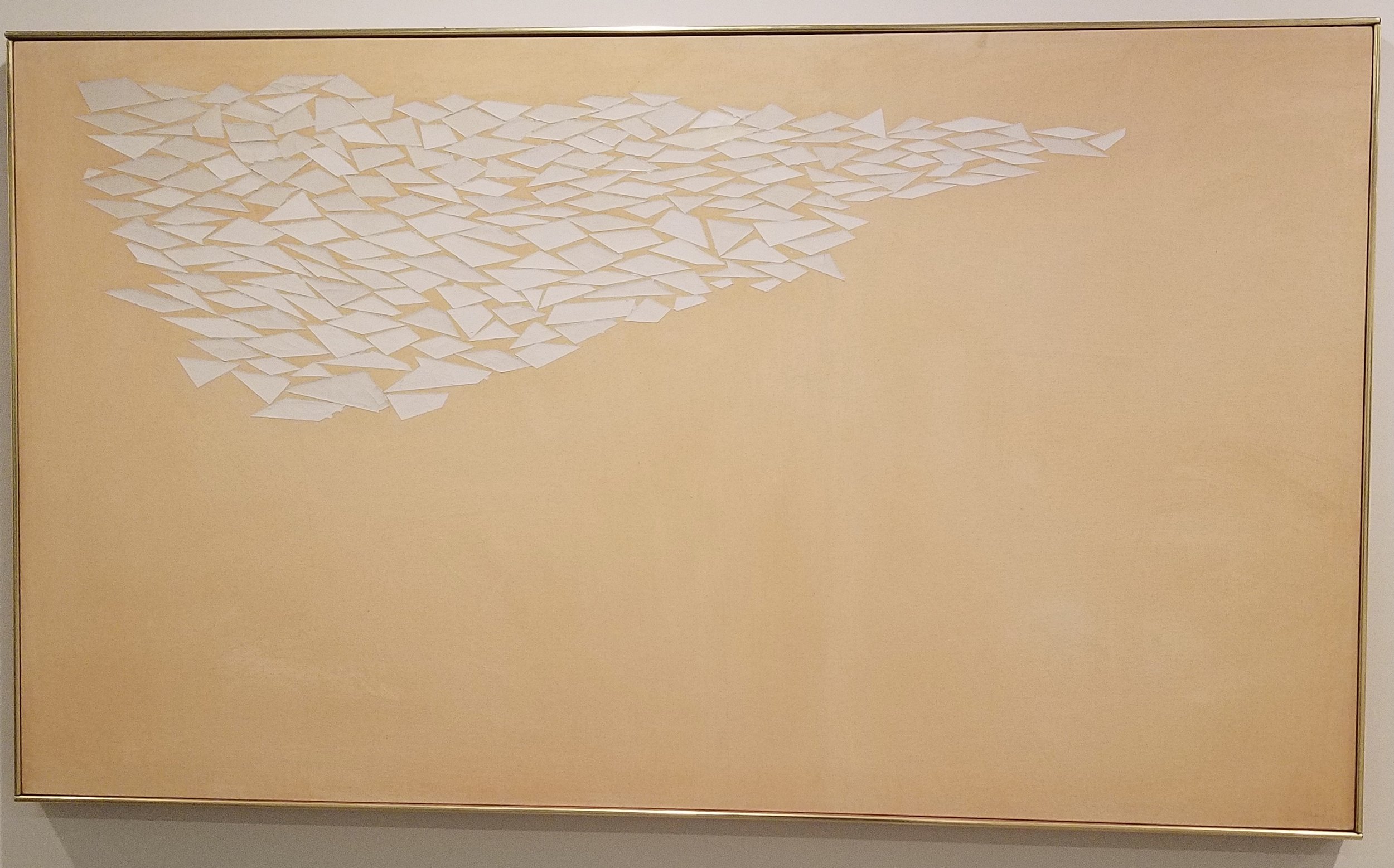
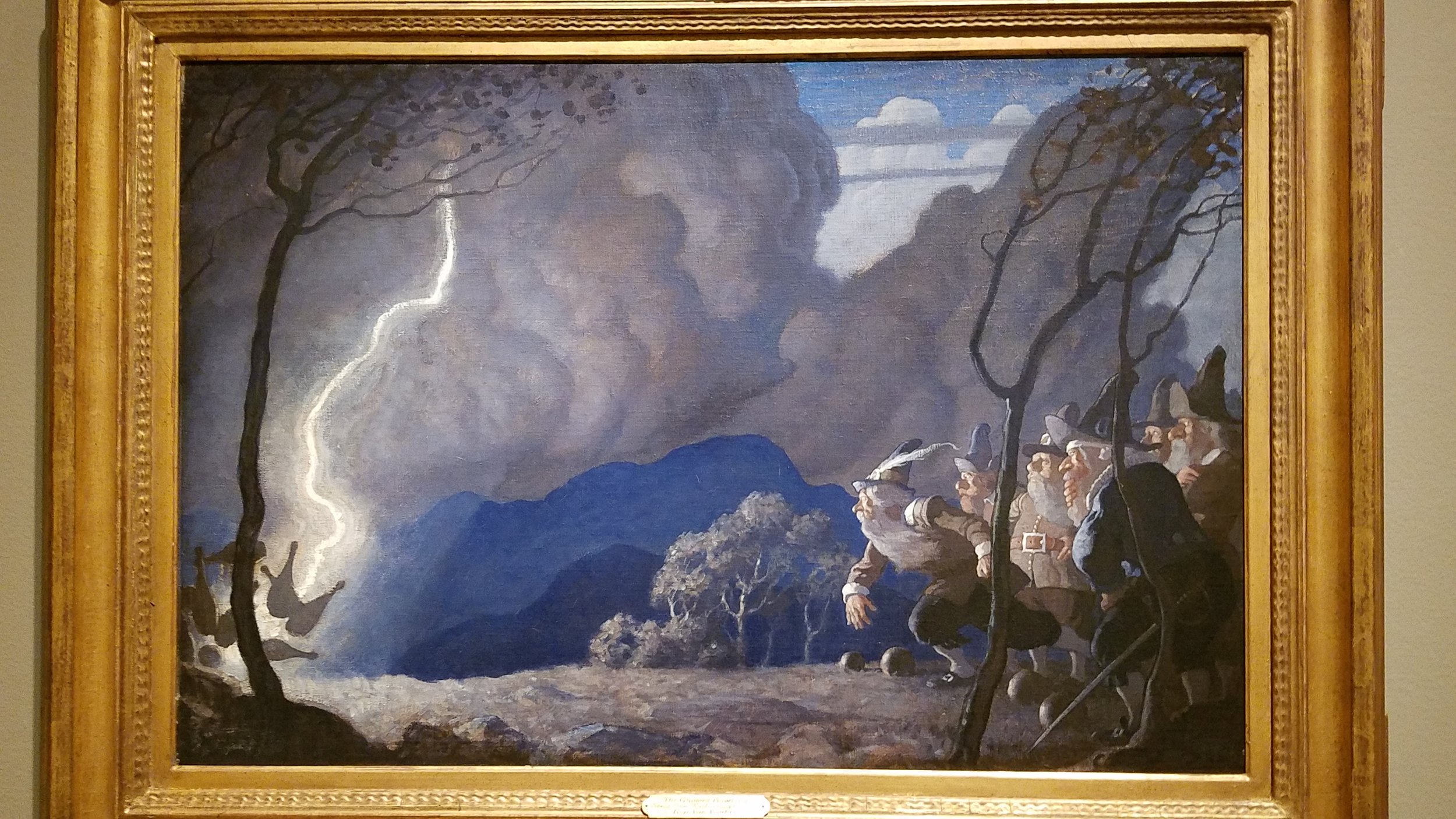
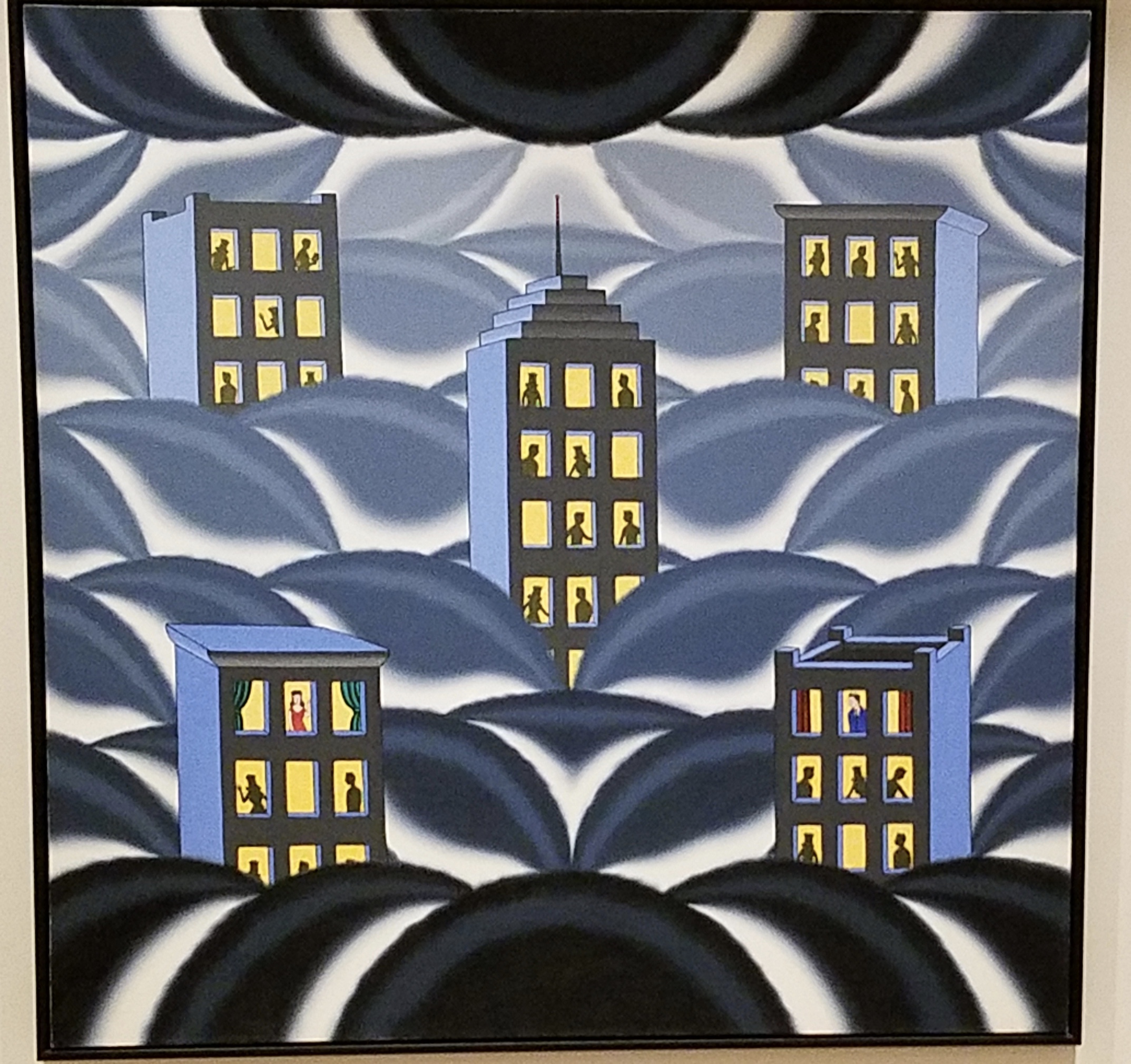
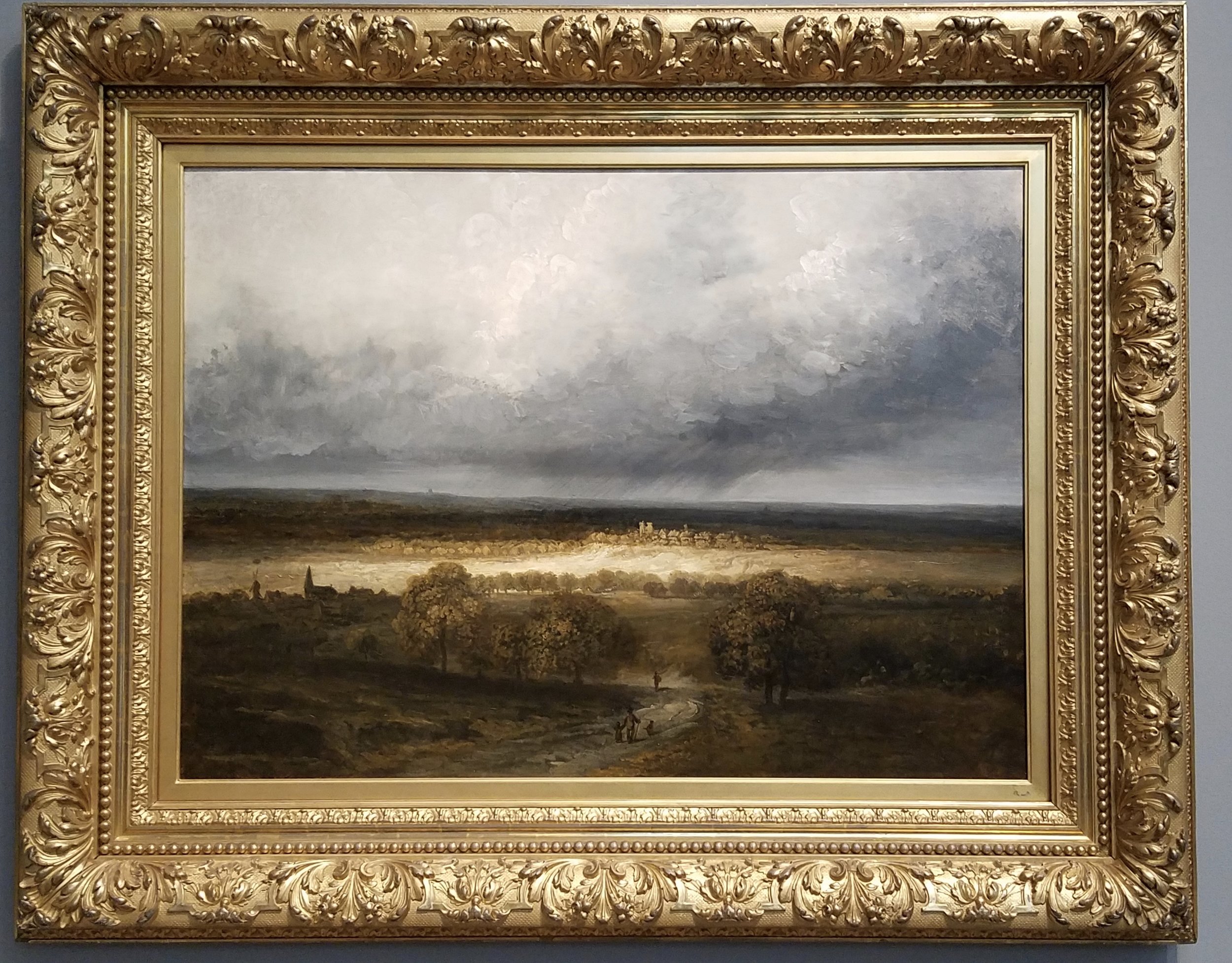
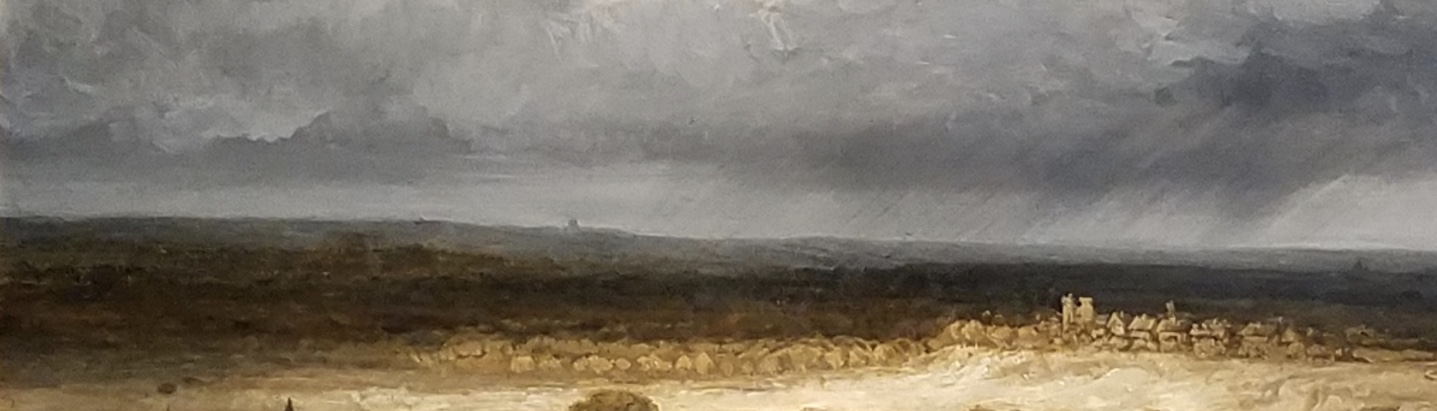
And because you can never have too many clouds--or paintings of clouds--in the Pacific Northwest, I went on a cloud hunt at the Portland Museum of Art. What a bonanza of clouds! Here is a gallery of a few of my favorites. 

Screen Shot 2017-11-06 at 5.28.07 PM.png 20171101_130155.jpg Screen Shot 2017-11-06 at 5.27.43 PM.png 20171101_122113.jpg 20171101_130049.jpg 20171101_122349.jpg 20171101_130757.jpg 20171101_115920.jpg 20171101_115920.jpg

Oskar Kokoschka/Tuileries Gardens, Paris; George Inness/Apezzo Pass, Titian's House; Joe Goode/Torn Cloud Painting; Robert Henri/Rue de Rennes; Robert Goonough/Grey Development; N.C. Wyeth/Rip Van Winkle, endpaper illustration; [forgot to photograph the label of the skyscrapers in the clouds--ooops]; George Michel/Landscape; ibid/detail of cloud

REMEMBER....EARTH WITHOUT ART is JUST "EH"

Speaking of...I'll be signing books at the 37th Annual  Wild Arts Festival at Montgomery Park in Portland, OR. The festival runs November 18-19 and benefits the fabulous Audubon Society of Portland. I'll be there Sunday noon-4 p.m. along with 36 other authors (and more than 200 artists) whose work is inspired by nature.

Screen Shot 2017-10-11 at 10.52.44 AM.png
In Books on Clouds, Clouds, Maria Mudd Ruth, Meteorology, Natural History, Pacific Northwest Clouds, Wild Arts Festival, Art Museums Tags A Sideways Look at Clouds, Powell's Books on Hawthorne, Portland Museum of Art, KATU-TV, XRAY-FM, Wild Arts Festival, Audubon Society of Portland, Clouds in Art
Comment
← Newer Posts Older Posts →

Subscribe

Sign up with your email address to receive my blog in your inbox.

Thank you!
Blog RSS

Flying from Mountaineers Books this Spring—the story of the Pigeon Guillemot—the world’s most charismatic alcid. This non-fiction natural history will be on bookshelves and available from online retailers on April 7, 2026. Click a link below to pre-order a copy now from these purveyors:

Mountaineers Books (non-profit, indie publisher based in Seattle)

Browsers Books (Olympia’s indie bookstore)

Bookshop.org (support your local bookstore)

Barnes & Noble (in the book biz since 1971)

Amazon

Other Natural History Titles by Maria Mudd Ruth…

A Sideways Look at Clouds


“Compelling…engaging.” The Library Journal

“Rare insights into the trials and joys of scientific discovery.” Publishers Weekly

Read more reviews and details here: Rare Bird: Pursuing the Mystery of the Marbled Murrelet

Enjoy this song by Peter Horne, "Little Bird, Little Boat, Big Ocean.” Written about the Marbled Murrelet, but the lyrics work well for the Pigeon Guillemot, too.


  • Wild Swimming
  • marbled murrelet
  • clouds
  • A Sideways Look at Clouds
  • Mountaineers Books
  • Rare Bird
  • old-growth forests
  • Open-water Swimming
  • Maria Mudd Ruth
  • Lakes of Washington
You must select a collection to display.

Subscribe

Sign up with your email address to receive my blog in your inbox.

Thank you!
Blog RSS

©2025 MARIA MUDD RUTH  |  ALL RIGHTS RESERVED